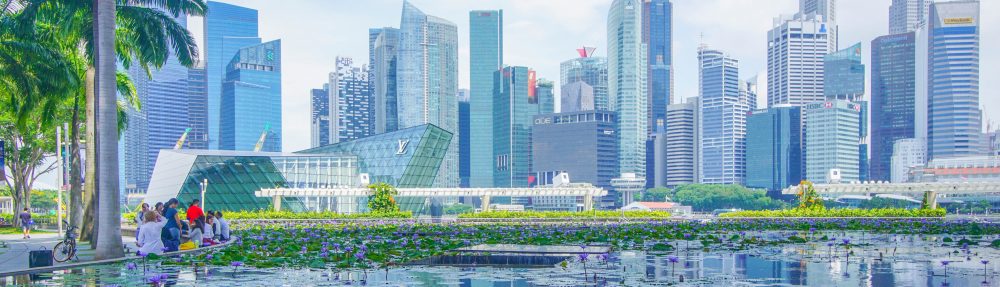
Let’s tackle a topic that’s increasingly relevant for many individuals living and working abroad: setting up a comprehensive investment portfolio as an expat in Singapore. Whether you’re fresh off the plane or have been in the Lion City for a while, understanding how to build an effective investment strategy is crucial for your financial well-being. Let’s explore the key aspects to consider when constructing your investment portfolio in Singapore.
Understanding Your Financial Goals
The first step in setting up your investment portfolio is to clearly define your financial goals. Are you looking to grow your wealth for retirement, save for your children’s education, or build a security cushion for unexpected expenses? Your goals will significantly influence your investment choices, so take the time to formulate a plan that aligns with your objectives. I’ve written a little bit about it here:
Assessing Your Risk Tolerance
Once your financial goals are established, the next step is to assess your risk tolerance. This refers to how much risk you’re willing to accept in pursuit of those goals. In general, higher potential returns often come with higher risk. As an expat, consider factors such as your investment horizon, financial situation, and emotional comfort with market fluctuations. Establishing a clear understanding of your risk tolerance will guide your asset allocation strategy. It may be very tempting to go for something incredibly high risk when you see the high returns, but do beware. Think to yourself, “Would I be comfortable to lose all of this money if things were to go wrong?” If the answer is no…opt for a lower risk portfolio.
Understanding the Singapore Market
Singapore is one of the most dynamic financial centers in Asia. The country boasts a stable economy, a robust regulatory environment, and a diverse range of investment options. Familiarising yourself with local markets—such as the Singapore Exchange (SGX)—and understanding industries that drive growth, like finance, technology, and healthcare, is crucial when making informed investment decisions. Check out my latest article here:
Building Your Investment Portfolio
When constructing your investment portfolio, diversification is paramount. A well-diversified portfolio can help manage risk and reduce the volatility of your overall returns. If you are a bit more cautious with your investments, try incorporating bonds or fixed income in your portfolio. If you’re unsure as to what some of these terms mean, you can check out this article here:
I always think it’s best to think about your goals and risk tolerance first, before investing. If you are unsure, it’s best to seek the advice of a professional – they can also give you a bit more information in terms of tax, and how to successfully structure your investments.
 Investing for Singapore Expats