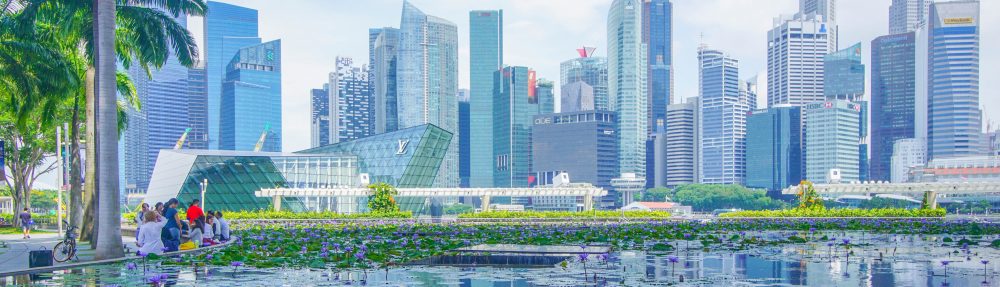
The Singaporean Financial Landscape
Singapore is known for its strong economy, high living standards, and, of course, its high property prices. While this presents opportunities, it also means planning is essential. The cost of housing can be a significant hurdle, and with the high cost of living, saving for travel and retirement requires smart strategies.
But don’t worry—by understanding your financial landscape and setting clear goals, you can make steady progress. Let’s look at some strategies tailored for those living in Singapore.
Saving for Housing
First up, housing—probably the biggest financial goal for many. First, define your property goals—are you looking for a holiday home, an investment property, or a future residence? Once clear, establish your budget, considering factors like property prices, taxes, and ongoing costs in your target country. Since Singapore offers a stable financial environment, many expats set up dedicated savings accounts or investments specifically for property purchases abroad. Automating monthly transfers helps in disciplined saving, and some opt for foreign currency accounts to hedge against currency fluctuations.
Buying property overseas involves currency considerations. Expats should monitor exchange rates and consider options like forward contracts or currency hedging to lock in favorable rates, minimising risks associated with currency fluctuations.
Thorough research is vital. Understand the legal requirements, taxes, and restrictions for foreign buyers in your target country. Don’t forget to save for additional costs such as stamp duties, legal fees, and ongoing maintenance. Also, explore financing options—some countries offer mortgage options to foreign buyers, but terms vary.

Saving for Travel
Travel is a wonderful way to experience the world, and us who live in Singapore love exploring nearby countries. To fund travel adventures, here are some tips:
1. Set a dedicated travel fund:
Open a separate savings account for travel. Automate monthly transfers as soon as you receive your income.
2. Use the 50/30/20 rule:
Allocate 50% of your income to essentials, 30% to lifestyle and leisure—including travel—and 20% to savings and investments.
3. Find ways to cut costs:
Look out for travel deals, off-peak discounts, and credit card rewards. Use cashback and points to offset expenses. I recently have been using the ENTERTAINER app, which is great for savings!
4. Save consistently:
Even small amounts add up over time. The key is consistency—make saving for travel a non-negotiable monthly habit.
5. Plan ahead:
Book flights and accommodations early to benefit from lower prices. Having a clear plan helps you prioritise savings.

Saving for Retirement
Retirement might seem far off, but the earlier you start saving, the better. Those in Singapore have several options:
Maximising CPF contributions: Those that have gained PR or even Citizenship can contribute to CPF. Your CPF Special Account offers higher interest rates—up to 5%—and is ideal for retirement savings.
Supplement with voluntary contributions: Open a Supplementary Retirement Scheme (SRS) accounts for additional tax benefits and investment options.
Invest for growth: Don’t rely on government schemes for retirement funds; grow your retirement nest egg through personal investments.
Set clear retirement goals: Estimate how much you need, considering inflation and lifestyle expectations. I do a very detailed plan based on current lifestyle assumptions for my clients and factoring in inflation.
Review and adjust: Regularly review your retirement plan and adjust contributions as your income grows or circumstances change.

Integrating Your Savings Strategy
All these goals require a coordinated approach. Here are some tips to keep everything on track:
- Create a comprehensive financial plan: Define your priorities, timelines, and target amounts for each goal.
- Automate your savings: Set up automatic transfers to different accounts to avoid temptation.
- Monitor progress regularly: Use apps or spreadsheets to track your savings and adjust as needed.
- Stay disciplined: Avoid lifestyle inflation—just because your income increases doesn’t mean your savings should decrease.
- Seek professional advice: Consider consulting a financial planner familiar with Singapore’s landscape for personalised strategies.
Living in Singapore offers many opportunities but also presents unique challenges for saving for big goals. With clear planning, disciplined savings, and leveraging available tools like CPF and investment schemes, you can turn your dreams—whether it’s owning a home, traveling the world, or retiring comfortably—into achievable milestones.
 Investing for Singapore Expats