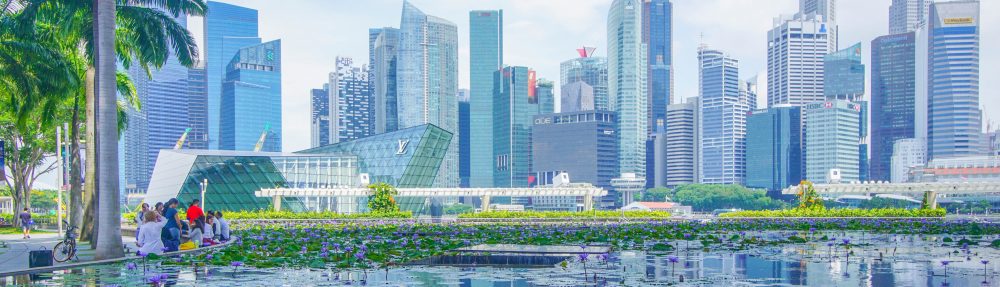
Singapore has a huge Aussie & Brit expat population, many of whom are living and working here for now, but will most likely move back home when they retire. While the allure of a new life abroad is enticing, it brings with it a myriad of challenges, particularly regarding wealth management, taxation, and succession planning. This article delves into the essential aspects of protecting your wealth as an expat in Singapore, with a focus on tax implications, trust structures, and the role of term insurance.
Understanding the Tax Landscape for Expats in Singapore
Tax Residency
First and foremost, it’s crucial to understand your tax residency status in Singapore. According to the Inland Revenue Authority of Singapore (IRAS), you are considered a tax resident if you stay or work in Singapore for at least 183 days in a calendar year. Tax residents benefit from progressive tax rates, which range from 0% to 22%, depending on income levels.
For expats, the tax implications can change significantly when returning to the UK or Australia. Both countries operate under a residence-based taxation system, meaning that if you are considered a tax resident upon your return, you may be subject to tax on your worldwide income.
Double Tax Agreements (DTAs)
Fortunately, Singapore has signed Double Tax Agreements with both the UK and Australia. These treaties help to prevent double taxation on income earned in Singapore and provide relief for expats planning to return home. Understanding how these agreements work is essential to ensure you don’t pay more tax than necessary.

Tax Implications When Returning Home
UK Tax Considerations
When British expats return to the UK, they may become liable for UK tax on their global income. The UK operates a system of residence and domicile, where your domicile status can significantly impact inheritance tax (IHT) liabilities. If you were non-domiciled while living abroad, you could have enjoyed certain tax benefits. However, upon returning to the UK, this status may change, and you could be liable for IHT on your worldwide assets. There have been significant changes in the latest UK Autumn Budget announcement, so be sure to read on the write up on my website to see how that may affect you.
Australian Tax Considerations
Similarly, Australian tax law assesses residents on their global income. If you have been an Australian citizen or permanent resident and return home, your foreign income, including any investments or properties held in Singapore, may also be subject to Australian tax. Moreover, capital gains tax (CGT) may apply to assets sold after your return.
Inheritance Tax Planning
As expats, planning for inheritance tax is crucial, especially for those with assets in multiple jurisdictions. Both the UK and Australia have different approaches to inheritance tax that can significantly impact your estate.
UK Inheritance Tax
In the UK, IHT is charged at a rate of 40% on estates valued over £325,000 (as of the 2023/24 tax year). If you are a non-UK domiciled individual, you are only liable for IHT on UK assets. However, if you return to the UK and are deemed domiciled, your worldwide estate may be subject to IHT. Of course, this too is set to change with the latest budget announcement.
Australian Inheritance Tax
Australia, on the other hand, does not impose inheritance tax. However, it does have CGT implications on the transfer of assets, which can affect how much your heirs receive. Understanding these differences is essential for effective estate planning.

Utilising Trusts for Wealth Protection
UK-Based Trusts
Creating a trust is an effective way to manage your wealth and mitigate potential tax liabilities. Trusts can help protect your assets from inheritance tax and ensure they are distributed according to your wishes. UK-based trusts can be established even while residing in Singapore, allowing you to retain control over your assets.
Types of Trusts to Consider:
- Discretionary Trusts: These trusts give trustees discretion over how to distribute income and capital, providing flexibility in managing tax liabilities.
- Interest in Possession Trusts: Beneficiaries have the right to receive income from the trust, providing more control over distributions.
Setting Up Trusts in Singapore
To establish a trust while living in Singapore, you will need to engage with a qualified solicitor or trust company familiar with both UK and Singaporean laws. The process typically involves drafting a trust deed, appointing trustees, and transferring assets into the trust. I often help set up certain kinds of trusts for my client, to prepare and plan for inheritance tax.
The Role of Term Insurance in Wealth Protection
Importance of Term Insurance
Term insurance is a straightforward and cost-effective way to provide financial security for your dependents in the event of your untimely death. For expats, having a term insurance policy can ensure that your family is protected financially, regardless of where you are living. Sometimes, these policies can also be put into trust to mitigate inheritance tax.
Choosing the Right Policy
When selecting a term insurance policy, consider:
- Coverage Amount: Ensure it is sufficient to cover your family’s needs, including living expenses, education, and debt repayment.
- Policy Duration: Choose a term that aligns with your family’s needs and financial situation.
- International Coverage: Ensure the policy covers you in Singapore and your home country, should you return.

As an expat in Singapore, particularly for British and Australian nationals, protecting your wealth is a multifaceted endeavor. Understanding the tax implications of your residency status, planning for inheritance tax, utilising trusts for asset protection, and securing term insurance are all critical components of a comprehensive wealth management strategy. By taking proactive steps, you can safeguard your financial future and ensure that your wealth is preserved for generations to come.
Engaging with financial advisors who understand the complexities of cross-border taxation and estate planning is highly recommended to tailor an approach that fits your unique circumstances.
 Investing for Singapore Expats