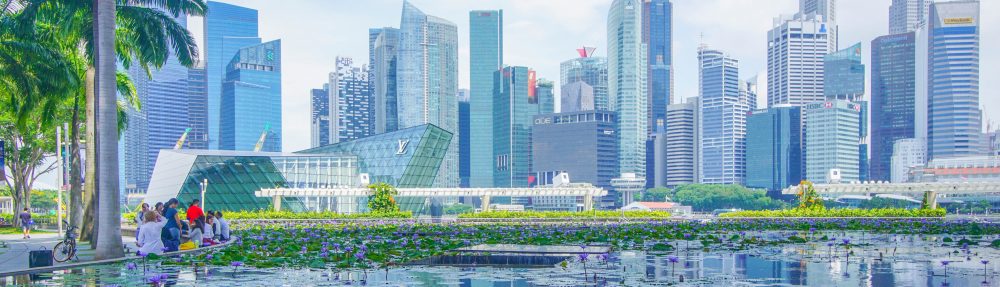
Singapore is a city that dazzles with opportunity – efficient transport, world-class healthcare, clean streets, and a thriving expat community. It’s no wonder many dream of retiring here. But as an expat, the question isn’t just “Can I live here?”, it’s “Can I retire here comfortably and sustainably?”
The answer depends on planning, lifestyle choices, and a clear understanding of the financial realities of expat retirement.
1. Understand What Retirement Means for You
Retirement isn’t just a number in your bank account, it’s a lifestyle. For some, it means early mornings at the golf course and evenings exploring cultural events. For others, it’s quiet days at home or travel abroad.
Ask yourself:
• How do I want to spend my time?
• Where do I want to live in retirement?
• What standard of living am I aiming for?
Answering these questions early helps shape your financial plan and determines how much you’ll actually need.

2. The Cost of Living: Realistic Expectations
Singapore offers a high standard of living, but it comes at a cost. As an expat retiree, you need to budget for:
• Housing: Rental or purchase costs can vary widely depending on location and property type.
• Healthcare: While Singapore has excellent healthcare, private medical care is costly without insurance. Planning for comprehensive coverage is essential.
• Daily living expenses: Food, utilities, transportation, leisure activities, and domestic help if needed.
Realistically, retirement in Singapore requires a substantial financial buffer. It’s not impossible, but it demands planning and disciplined saving.
3. Saving and Investing for Retirement
The traditional approach of a local pension may not apply to expats. Instead, consider:
• SRS (Supplementary Retirement Scheme): Offers tax-deferred contributions and flexible investment options.
• Global investment portfolios: Diversified equities, bonds, and funds can grow wealth in a way that’s accessible internationally.
• Property: Owning a home can provide stability, but it’s essential to weigh upfront costs and ongoing maintenance.
The key is building multiple layers, some funds accessible in the short term, others growing for long-term security.

4. Health Planning: The Overlooked Factor
One of the biggest risks to expat retirement is healthcare costs. While Singapore’s healthcare system is excellent, private medical care can be expensive without coverage.
Strategies to consider:
• Maintain comprehensive health insurance valid through retirement.
• Include coverage for chronic conditions or long-term care.
• Consider a savings buffer specifically earmarked for healthcare emergencies.
Being proactive about health planning prevents unexpected expenses from eroding your retirement security.
5. Immigration and Residency Considerations
Retirement as an expat isn’t just a financial decision, it’s a legal one. Your ability to live long-term in Singapore depends on visa eligibility:
• Long-Term Visit Pass (LTVP): For family members of citizens or permanent residents.
• Employment Pass or EntrePass extensions: If planning to continue to work or run a business.
• Permanent Residency (PR): Provides greater security but has eligibility criteria and obligations.
Unlike in some countries where retirees can simply buy residency, Singapore’s rules mean that your financial independence must align with immigration pathways.
6. Currency and Cross-Border Planning
Even if your retirement savings are in Singapore dollars, consider:
• Currency diversification: Savings in multiple currencies can hedge against fluctuations.
• Support for family abroad: Factor in potential remittances or financial support.
• Investment portability: Choose assets that can be accessed internationally, in case plans change.
The financial identity shift we discussed earlier applies here: your money must be mobile and adaptable.

7. Lifestyle Planning: Balancing Comfort and Reality
Many expats underestimate lifestyle expenses in retirement. For example:
• Regular dining out or entertainment can quickly add up.
• Travel and home maintenance costs are ongoing commitments.
• Social expectations and hobbies can inflate budgets.
A clear picture of your desired lifestyle allows you to plan realistically, so you can enjoy retirement without constantly worrying about money.
8. Practical Steps for Retiring in Singapore
1. Set a target retirement budget: Include housing, healthcare, daily expenses, and discretionary spending.
2. Build layered savings and investments: Mix accessible funds with long-term growth vehicles like SRS and global portfolios.
3. Plan for healthcare: Comprehensive insurance and a dedicated medical savings buffer.
4. Review immigration options: Align financial planning with visa or PR eligibility.
5. Consider contingency funds: For unexpected expenses or changes in plans.
6. Regularly review and adjust: Life abroad is dynamic; retirement planning should be iterative.
Taking these steps ensures that retirement in Singapore is both achievable and enjoyable, rather than stressful or uncertain.

9. The Mindset Shift for Expat Retirement
Retiring abroad requires a shift from “what I want now” to “what I need sustainably”. It’s not about limiting your lifestyle, it’s about:
• Being realistic about costs.
• Building financial resilience.
• Planning for legal and healthcare contingencies.
• Ensuring flexibility if circumstances change.
With the right preparation, Singapore can offer a secure, comfortable, and enriching retirement for expats who plan carefully.
If you’re considering retiring in Singapore or want to understand what long-term financial independence looks like for expats, my blog and podcast offer practical guides, examples, and tips tailored to your unique situation. You can explore more here or reach out personally for more information.
 Investing for Singapore Expats