
Technology has become so integrated in our day to day lives, I believe it has totally changed the way I do business. Not only this, but it has also helped my clients in gaining more knowledge and confidence in what they are investing in. This in turn, has helped me in my business, as I believe that knowledge is key to success. I am a Personal Wealth Manager who specialises in bespoke financial planning for clients in Singapore, blending personal and professional financial advice with all-important tax planning. I wanted to share with everyone that platforms and tools I currently use to help my clients, plus some tools that the everyday investor can use to successfully plan, visualise and research your investments and finances.
FE Analytics
This online platform is a complete game-changer for me. FE Analytics is more worthwhile for financial planners, investment analysts and others in the finance space, because the subscription fee is quite substantial, but it is an invaluable tool. I use it to create portfolios for clients, review and project investments and compare their current portfolios with bespoke ones I have created for them. What I love about this platform is that it will gather global data, from companies like Bloomberg, Yahoo Finance and others of the sort, to compare key investment data points, such as performance vs. benchmark, volatility, risk and even ESG rating. Volatility and risk are an excellent thing to show to clients, as they can clearly see how erratic their investments are in comparison to their performance. In today’s ever-changing world, many of my clients are become more conscientious and circular economy-focused, so being able to show an ESG rating adds value to them.
Even though an average investor may not have access to this platform, it is important to know that every legitimate investment will have a code, which can and should be easily found on websites, such as Yahoo Finance, so that you can clearly see the funds performance, fees and charges, and have full transparency in information of the investment. If you cannot find this number, or there is no information online about your investment, this could be a red flag.
OPAL Fintech
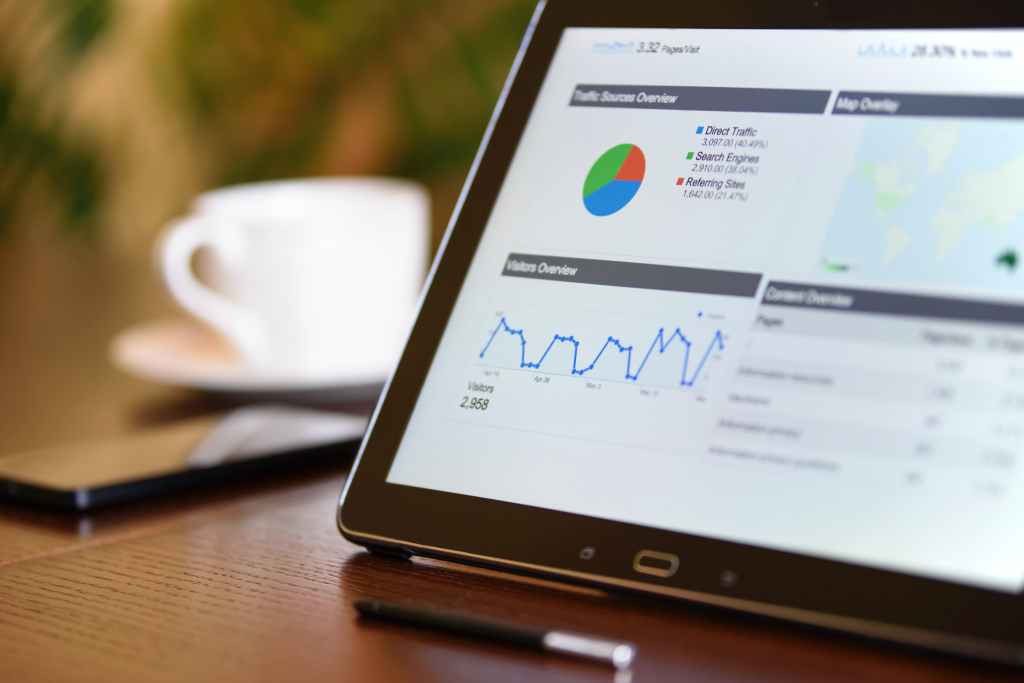
OPAL is one digital business account for your business and financial needs. I really enjoy using this platform because it is a perfect visualisation of a person’s goals, dreams, aspirations and current situation. All I have to do is input a client’s cash flow, assets, debt, and then discuss with them their financial goals. This may be plans for retirement, saving for a property, planning for a child’s education, or even leaving a lumpsum for their family when they pass on. The OPAL algorithm will assess their current situation, factor is real-life data, such as inflation, and project how likely it is for that goal to happen. Then, it can be tweaked and adjusted, showing multiple scenarios depending on how much the client is setting aside into investments. I often feel like, because financial planning is very numbers-heavy, people can find it difficult to visualise their goals clearly. I don’t have that issue with OPAL, because the graphics and projections perfectly paint the picture for the client.
Budgeting Platforms
But what if you do not have access to these paid platforms? I would first off recommend tracking your cashflow on a monthly basis and being conscious of your assets vs. debts. There are loads of budgeting apps that you can use. For example, DBS Online Banking has an interface that illustrates your monthly inflowing cash and outgoings. If you’d like something a bit more in depth, so that you can go through these figures with a find-toothed comb, I would recommend apps like Zenmoney, Monny or Spendee; all of these (and ones similar) are free and user-friendly for the consumer. Some will consolidate your spending habits into presentable data and graphics, others will incorporate some gamification in order to encourage you to hit your spending and saving goals. There are many on the market in Singapore, and you just have to play around and find whatever works for you. I prefer to use the DBS NAV Planner paired with an Excel spreadsheet, but others may prefer the other apps mentioned here.
Stock Screener
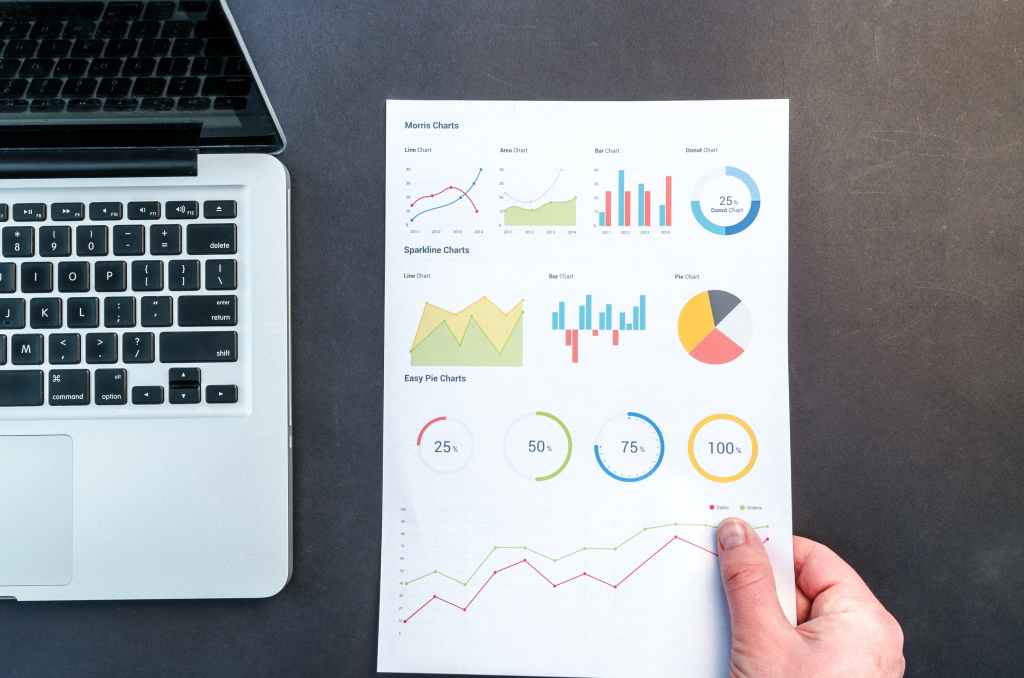
If you are investing in individual stocks, or if your portfolio comprises of equities, you can always use stock screeners to check key analytics like the market cap, yield and sector. You can also delve further into the figures and statistics, like viewing the past 5 years performance and other metrics. You can also check company announcements and financial statements, which is perfect for those investors that like to research in depth. For Singapore stock exchange, you can use https://investors.sgx.com/stock-screener.
General Learning & Boosting Your Knowledge
As I mentioned at the start of my article, knowledge is power. If you don’t have a basic level of knowledge, this is quite often the blockade that is stopping you from investing, which means that your money is being eroded by inflation. You may be concerned of misinformation out there, but don’t worry, there are many great, informative platforms you can use to educate yourself. The first is Investopedia, which is essentially a Wikipedia for all things money and investing. Here you can find simple to understand financial concepts, investment terms and even information on past historical events in the finance world. The Balance is a great website that hosts a wide range of information, from which loans give the best rates, what stock market apps are easy to use, to how to discuss finances with your children. This is really a font of knowledge and a go-to for anyone who just wants to get more clued up on finance. I would of course recommend keeping yourself up-to-date with news by checking out The Financial Times, Bloomberg and CNBC, as well as other credible finance media outlets.

In this world of technology, finance and investing have become accessible to the masses; what once seemed only for the super-savvy or wealthy, is now at the click of a button to almost everyone who owns a computer or smartphone. This readily available information is not something we should shy away from; these are wonderful tools we can use to do our own due diligence and ensure that we are planning our finances and investments correctly. Technology has pushed for a need for transparency in the finance sector, so what a better time to start investing! You have all the knowledge, resources and tools to do so responsibly, and with some level of understanding. However, for those that are not as savvy, or for those that have a full schedule, you may not have the time to commit to constant research. I don’t blame you- if it wasn’t my full-time job I probably wouldn’t either! This is when you can lean on the advice of a professional, who will have all these tools at their disposal, with the added expertise and wisdom to help you navigate investing effectively in accordance with your risk tolerance and unique circumstances.
(Remember that if you are struggling to find information available online of an investment, to tread lightly, as a lack of transparency may also mean a lack of legitimacy.)


 Investing for Singapore Expats