Only one week after I posted about all the elections in 2024 and what this could mean for global geopolitics, Taiwan has elected Dr William Lai as their president.
This may make things difficult, as Lai has vowed to protect Taiwan from China’s aggression. Xi Jinping has labelled Lai as a troublemaker and obviously would not want Lai to threaten his One China policy. Moreover, tensions have risen after the US congratulated Taiwan on the result- something that China claims goes against the US’s unofficial relationship with Taiwan.
Washington also used phrases like ‘diplomacy’, ‘partnership’ and ‘shared interest and values’, which has of course annoyed Beijing even more. The relationship between Lai and Xi Jinping is so bad that William Lai is not allowed to travel to Mainland China or Hong Kong! The two have not been in communication since 2016. Will this mean that China will increase its economic pressure on Taiwan? Will they threaten military force like they did in 2022? Whatever will happen, it’s clear that tensions will surely rise, as Lai is pro Taiwanese independence.
Of course, the result of the US election will greatly affect China and Taiwan, also, so we will monitor closely as the situation unfolds.
2024 may be the biggest election year ever, with almost half of the globe voting! At least 64 countries, plus the European Union will be voting and holding national elections. This is a massive year for global politics, so I thought I would discuss some of the notable elections and ones that interest me (don’t worry, I shan’t talk about all 64!).
US
This one probably makes us groan, and I’m sure we’re all bored of hearing about Trump & Biden, but this is arguably the most important election out of the lot. The US is the largest global power, and this election could see a change in USA’s relationship with North Korea, China, Russia and their stance on the ongoing conflicts in Gaza and Ukraine, depending on who wins. Also this is probably the only one where one of the candidates was a previous president who got impeached twice?
Taiwan
I feel like the whole world has been holding their breath when it comes to Taiwan & China, and this election will be no different! The winner of the Taiwanese election will have a tricky balancing act with China, and it’ll be interesting to see if Beijing continues its hold on the island, and whether the imminent threat of invasion will remain.
North Korea
This is interesting, because I didn’t even know the Democratic People’s Republic of Korea had elections (?!). I’m sure the Kim family, who are seen as somewhat deities in North Korea, don’t have an opposition party? What’s even more interesting, is that every election has been given a ‘freedom & fairness’ score (with 0.00 not being free nor fair at all, with 1 being the most free and fair), and North Korea scored higher than a lot of countries! I thought it would score 0.00, but it scored 0.14, which was higher than Venezuela- which I also expected to be low! Countries that scored 0.00 were Syria, Mali, Chad and South Sudan.
India
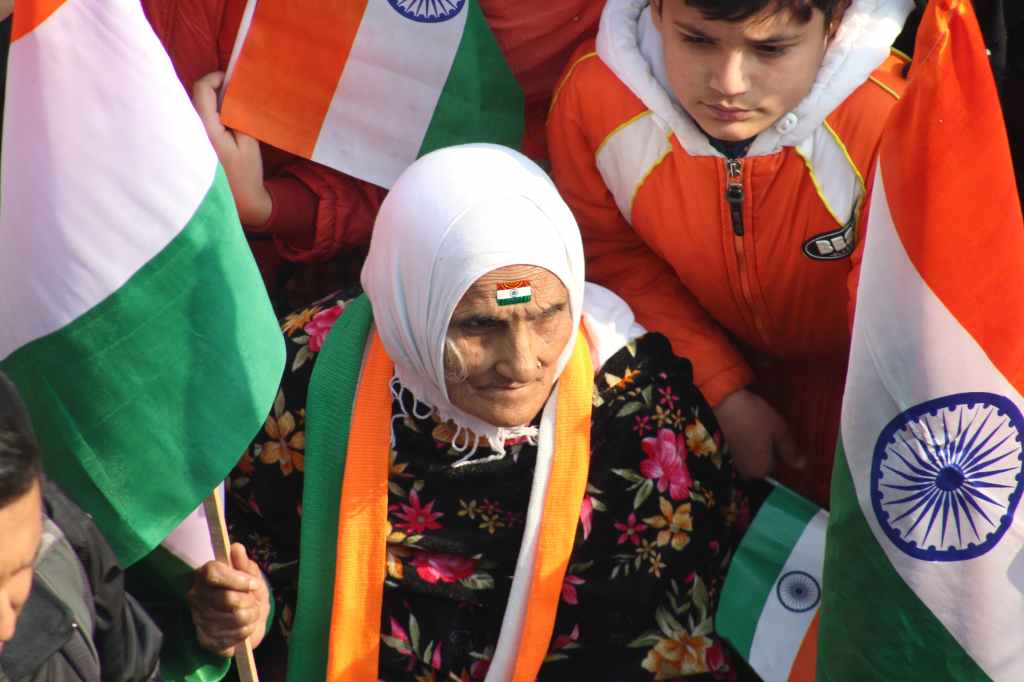
This election will be one to watch; not only is this election the largest in the world, but India is a rising global power and one of the most populous countries on the globe. The outcome may change not only domestic policies, but also regional politics, particularly concerning China. It may also escalate (or hopefully deescalate) the country’s rising Muslim/Hindu tensions.
Russia
Shockingly another country that’s free & fairness is not at the bottom of the list (although it is above North Korea)! But I don’t think anyone will be shocked when Putin is re-elected and the current trajectory of Russia’s geopolitics continues- i.e. the war continuing.
EU
Sadly, we’ve seen a surge in right wing parties in Europe, and I’m wondering if this will continue into 2024? It seems that a lot of centre-right parties will maintain their current positions, with even far-right parties gaining traction. The main points for discussion will of course be how the EU navigates conflicts, such as in Ukraine and Gaza, along with its green policies and the EU budget. Deficit Rules were suspended during the pandemic, meaning that members were allowed to borrow whatever they wanted to support their citizens, but this is set to be scrapped in 2024, with Deficit Rules being reinstated. Will this create tension between members?
Indonesia
I don’t have a tonne of opinions on this, but I thought it was interesting to note that Indonesia’s elections are only being held over one day! That’s the largest single-day vote, and I wonder how they are going to pull that off in such a large country that has some very remote locations.
Ukraine
Even though Ukraine is under Martial Law, which normally prohibits elections, there has been talk of these elections continuing, as a mark of democratic health. However, this may prove to be too challenging to organise during a war, with safety being a main concern. Either way, Zelenskiy is set to run for a third term, and he will probably win, with his ratings still remaining very high. However, parliament would have to change the law so that Ukrainiens can vote from overseas.
UK
The outlook of British politics has been bleak for a while now, and with the Conservative Party being in power for the past 14 years, some believe that Labour will win the next election, which Sunak has said will be held this year. This is conflicting for me- whilst I am desperate to see the Conservative Party go, and end their reign of austerity, I’m not convinced that the Labour Party will do a better job. Not only that, I have found myself shocked at every vote and election result in the UK for the longest time. None of us thought Brexit would happen, and how naïve we were to think that we would remain. So I’ve learnt to never think that the obvious flaws of the current party, means that they won’t be re-elected!
Whilst this may be the biggest election year ever, it may also be the most challenging for democracy, with many elections being carried out unfairly, or with risk of danger. Not only that, shock decisions and outcomes may shake the geopolitical framework as we know it. It’s going to be an interesting year for sure.
Every year, Mercer rank the world’s most expensive cities to live in; the criterium is based off of things like rent, transportation costs and food. This year we’ve had a lot of volatility in the economy, exacerbated by the war, inflation rate and interest rate hikes. So, how did this affect the listings this year? Let’s take a closer look:
10. Beijing
Beijing is still a lot more affordable than the other cities on this list, but the main reason it has become increasingly more expensive is due to its population size. The city’s increasing population has caused rental prices to double over the past ten years.
9. Tokyo
Tokyo is in this list year after year. Japan in general is a country with high cost of living expenses, such as rent, owning a car and transport in general.
8. Singapore
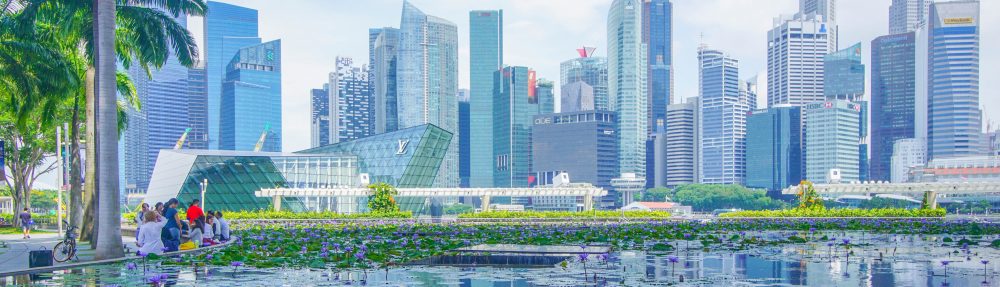
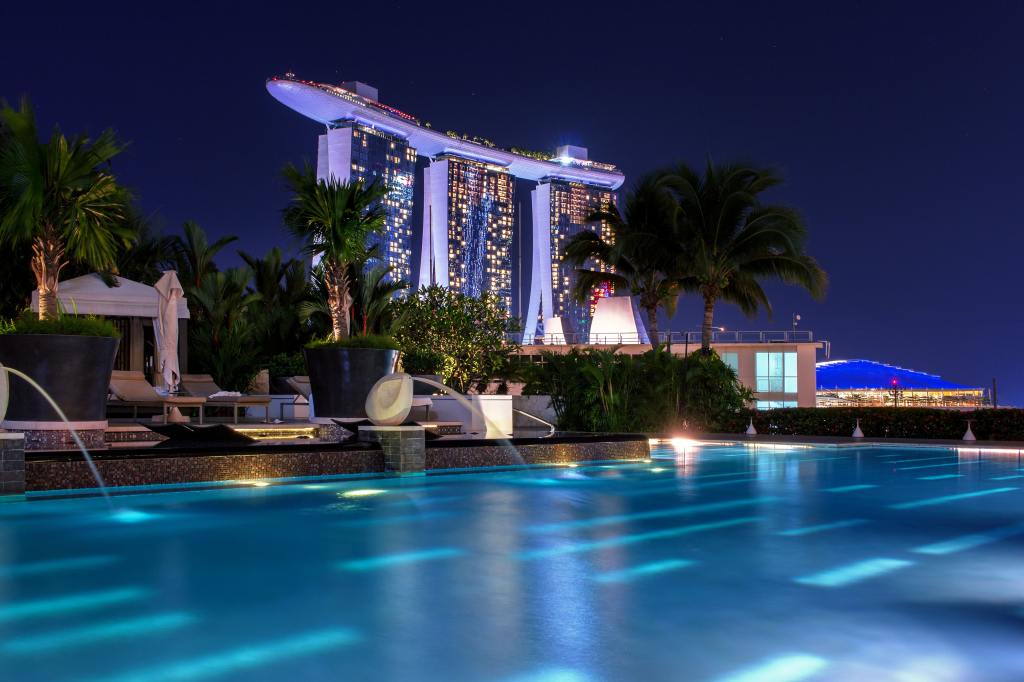
Here we are, Singapore. No one is shocked to this here- over the past year rental prices have shot up astronomically and the lack of land will always mean that property purchase is expensive in comparison to other countries. Speaking from personal experience, going out for food and drinks can be particularly expensive, taxis, whilst cheaper than the UK, have increased over the past year and we all know owning a car is pricey in Singapore.
7. New York City
NY has always been more expensive than other places in the US, particularly rent. If you haven’t read my article, ‘Sex and The City, and Broke’, please do! I have always been baffled by how people on low to mid salaries can live comfortably in this city
8. Tel Aviv
A common theme on this list is rental; this seems to be the main reason cities land here, and the same goes for Tel Aviv. Whilst the city has a tonne of stuff to do for tourists, including bars and restaurants, this comes with a price tag. This means that rent for a one-bed, on average, is about 1725 USD a month!
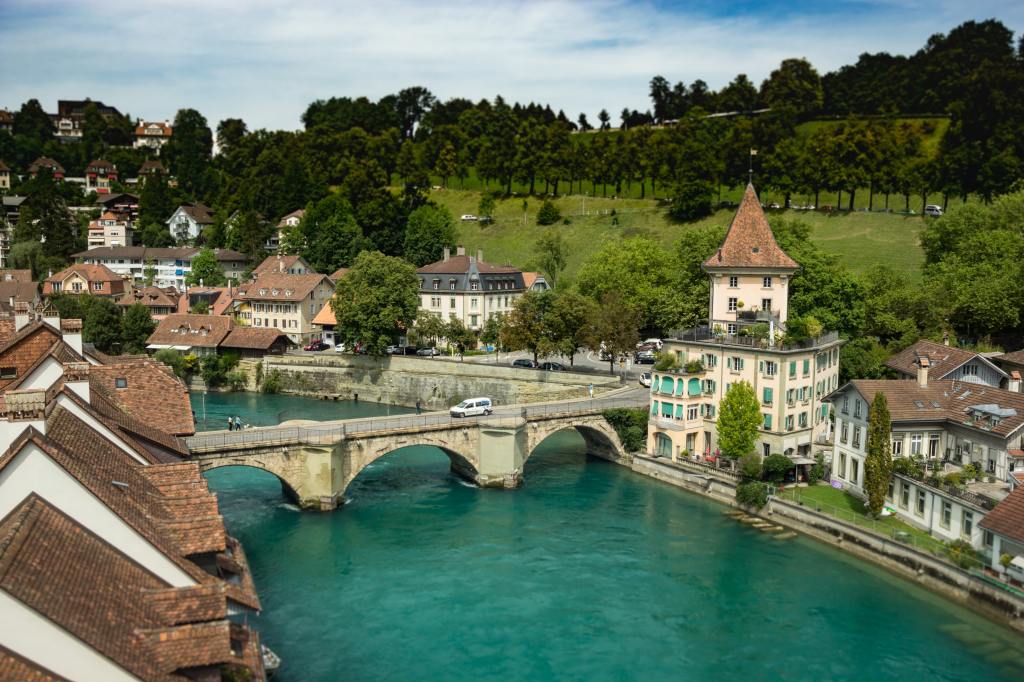
5. Bern
We’re getting to the part of the list now where most of the cities are in Switzerland. A week-long holiday to the capital city would cost a family of four approximately $6000!
4. Basel
This city has a great art and history scene; Switzerland’s oldest university city is home to beautiful modern architecture and the world’s biggest art fair. This comes with a whopping price tag of living expenses of approximately $3000 a month.
3. Geneva
Similar to the previous Swiss city on this list, living in the luxury city of Geneva would cost you approximately $3500 a month. Very pricey!
2. Zurich
The financial capital of Switzerland sits at the second spot. It’s the most expensive Swiss city to rent, and the city itself is choc a block full of high shopping and decadent restaurants, so it’s very difficult to escape the high cost of living in Zurich.
1. Hong Kong
Are we shocked? HK has over 7 million people living in the city, meaning that the demand for housing is incredibly high. Not only that, food, transport and nightlife is also very expensive in Hong Kong. One thing I will always remember is watching a documentary showing people in HK living in literal cages, with a bed, TV and all their stuff. These types of housing have a shared bathroom and small kitchenette and can cost about 500 USD a month! That’s so expensive for such a small, cramped space.
In my opinion, I’m not shocked that the vast majority of these cities are European (40% of this list are in Switzerland!) and I’m actually surprised that London wasn’t now in the top 10 (it’s 15th). I did think that where we live, Singapore, would be higher because of the high cost of alcohol & rental, but I guess our lower taxes and the fact that the government are able to stop inflation and utility bills from getting out of control helps. All in all, this list is very useful when it comes to someone making a decision to move overseas.
Did this list shock you? Is your city an expensive place to live?



 Investing for Singapore Expats