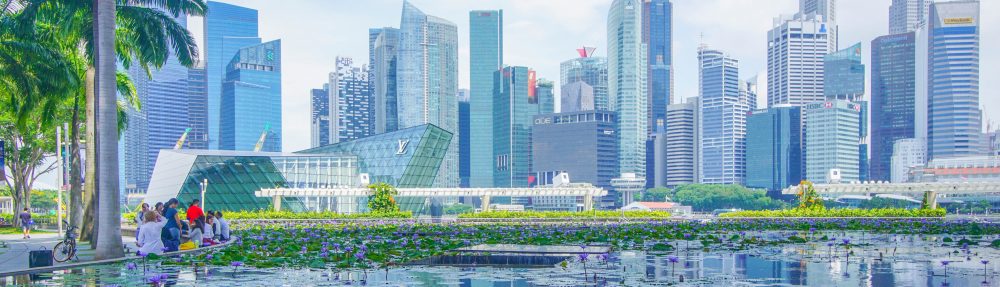
Retiring in Singapore vs. Returning Home: Pros & Cons

As individuals approach retirement, the decision of where to spend their golden years can be both exciting and daunting. For many expatriates and locals alike, Singapore presents a unique blend of modernity, stability, and vibrant culture. However, the idea of returning to one’s home country also holds significant appeal. This article explores the pros and cons of retiring in Singapore versus returning home.

Retiring in Singapore

Pros:

  1. High Quality of Life: Singapore consistently ranks high in global quality of life indices. Its world-class healthcare system, low crime rates, and efficient public services create a safe and comfortable environment for retirees.
  2. Cultural Diversity: Singapore is a melting pot of cultures, offering a rich tapestry of experiences. Retirees can enjoy a variety of cuisines, festivals, and cultural events, allowing for an enriching lifestyle.
  3. Strong Infrastructure: The country’s efficient public transport system and well-maintained amenities make it easy for retirees to navigate and access services.
  4. Financial Stability: Singapore is known for its robust economy and stable political climate, providing a secure environment for financial investments and savings.

Cons:

  1. High Cost of Living: One of the most significant drawbacks of retiring in Singapore is the high cost of living. Housing, healthcare, and daily expenses can be steep, which may strain retirement savings.
  2. Limited Space: Singapore is a small island state with limited space, which can lead to feelings of congestion and a lack of privacy, especially in densely populated areas.
  3. Healthcare Accessibility: Although healthcare is of high quality, it can also be expensive, particularly for those without adequate health insurance.
  4. Cultural Adjustment: For expatriates returning after years abroad, adjusting to local customs and social norms might pose challenges.
  5. Visa Requirements: Generally, only expats who have converted to PR or Singapore Citizen are able to retire in Singapore.

Returning Home

Pros:

  1. Familiarity: Returning to one’s home country can provide a sense of comfort and belonging. Familiar surroundings, friends, and family can offer emotional support during retirement.
  2. Lower Cost of Living: In many cases, the cost of living in one’s home country may be significantly lower than in Singapore, allowing for a more comfortable retirement on a fixed income.
  3. Cultural Connection: Retirees can immerse themselves in their native culture, traditions, and language, fostering a sense of identity and continuity.
  4. Potential for Community Engagement: Returning home may present opportunities to engage in community activities, volunteer work, or even part-time employment, providing social interaction and purpose.

Cons:

  1. Healthcare Concerns: Depending on the country, healthcare quality and accessibility may vary greatly. Some retirees may find themselves facing inadequate healthcare systems or long wait times.
  2. Economic Instability: Certain regions may experience economic challenges, which could impact pensions, savings, and overall financial security.
  3. Social Isolation: If retirees have been away for an extended period, they may find it difficult to reconnect with old friends and adapt to changes in their home environment.
  4. Limited Infrastructure: Depending on the location, retirees may encounter challenges with transportation, utilities, and public services that are less developed than those in Singapore.

Ultimately, the decision to retire in Singapore or return home is deeply personal and influenced by various factors, including financial considerations, family ties, and lifestyle preferences. While Singapore offers a modern, vibrant environment with high-quality amenities, returning home can provide comfort, familiarity, and community connection. Prospective retirees should weigh these factors carefully to make the most informed decision for their future.

Common Investment Mistakes Expats Make in Singapore and How to Avoid Them

Singapore, known for its robust economy and strategic location in Asia, attracts a diverse expatriate community. While the city-state offers ample investment opportunities, many expats fall victim to common pitfalls that can hinder their financial growth. Understanding these mistakes and taking proactive measures can help expats make informed investment decisions.

1. Neglecting Local Tax Regulations

One of the most significant mistakes expats make is not understanding Singapore’s tax regulations. Unlike many countries, Singapore has a relatively low tax rate, but expats may still be liable for tax on income earned outside of Singapore, depending on their residency status.

How to Avoid: Consult a tax advisor who specialises in expat finances to ensure compliance and optimise your tax situation. Understanding tax treaties between Singapore and your home country can also help prevent surprises at tax time.

2. Overlooking Currency Risks

Many expats earn their salaries in foreign currencies, which can create currency risk when investing in Singaporean assets. Fluctuations in exchange rates can significantly impact the returns on investments made in local currency.

How to Avoid: Consider investing in diversified currency portfolios. It’s also wise to maintain a balanced currency exposure, ensuring that your investments are not overly reliant on the performance of a single currency.

3. Failing to Research Local Investment Options

Expats often gravitate towards familiar investment vehicles from their home countries, which may not align with Singapore’s market dynamics or regulatory environment. This can lead to missed opportunities in local markets.

How to Avoid: Take the time to research Singapore’s investment landscape. Engage with local financial advisors who understand the market and can provide insights into promising sectors, such as technology, healthcare, and real estate.

4. Rushing Into Real Estate Investments

Real estate could be seen as a good investment choice for many expats in Singapore due to its perceived stability and potential for appreciation. However, jumping into property investments without thorough research can lead to costly mistakes, especially if you have to pay 60% stamp duty!

How to Avoid: Conduct comprehensive market research and consider factors such as location, property type, and market trends. Additionally, understand the regulations around property ownership for foreigners in Singapore to avoid legal complications.

5. Ignoring Retirement Planning

Many expats focus on short-term financial goals and overlook long-term retirement planning. This can be particularly challenging in Singapore, where the Central Provident Fund (CPF) system is primarily designed for permanent residents and citizens.

How to Avoid: Start planning for retirement early, even if it seems far away. Look into investment options that cater to expats, such as international retirement accounts or overseas insurance bond plans that can provide growth and security.

Investing as an expat in Singapore offers exciting opportunities but comes with its own set of challenges. By being aware of common mistakes and implementing strategies to avoid them, expats can navigate the financial landscape more effectively. Continuous education, seeking professional advice, and maintaining a balanced approach to investments can pave the way for a financially secure future in this dynamic city-state.

UK Pensions: What Expatriates in Singapore Can and Can’t Do

As the global workforce becomes increasingly mobile, many UK nationals find themselves living and working abroad. Singapore, known for its vibrant economy and high standard of living, is a popular destination for expatriates. However, living overseas can complicate financial matters, particularly regarding pensions. If you’re a UK expat in Singapore, understanding your pension options is crucial. This article outlines what you can and can’t do with your UK pension while living in Singapore.

Understanding the Basics of UK Pensions

Before diving into the specifics for expats, it’s important to understand the types of UK pensions available:

  1. State Pension: This is a government-provided pension based on your National Insurance contributions throughout your working life.
  2. Defined Benefit (DB) Schemes: Often referred to as final salary pensions, these schemes provide a retirement income based on your salary and years of service.
  3. Defined Contribution (DC) Schemes: These are personal pensions where the amount you receive in retirement depends on how much you and your employer contribute, as well as the performance of the investments.

What You Can Do as an Expat in Singapore

  1. Claim Your State Pension: As a UK citizen, you can claim your State Pension irrespective of where you live. The amount you receive may be affected by your National Insurance contributions and any time spent living abroad. It’s essential to notify the UK government of your overseas address to ensure you receive your payments.
  2. Transfer Your Pension: If you have a Defined Contribution pension scheme, you may have the option to transfer your pension to a Qualifying Recognised Overseas Pension Scheme (QROPS). This can provide you with more flexible access to your funds and potential tax benefits. However, it’s crucial to seek professional financial advice before proceeding with a transfer, as there can be significant charges and tax implications involved.
  3. Continue Contributions: If you’re a self-employed individual or have the option to contribute to a personal pension plan while working in Singapore, you can continue to make contributions to your UK pension generally for the first five years you are living overseas. This can help maintain your retirement savings and potentially increase your eventual payout.
  4. Take Tax Benefits into Account: Depending on your residency status in Singapore, you may be entitled to certain tax allowances which could impact your pension withdrawals or contributions. It’s advisable to consult with a tax advisor to understand your obligations and opportunities. Be aware of the UK tax implications of making withdrawals from your UK pension as the UK/Singapore double tax treaty will usually mean any withdrawals you make will still be subject to UK tax.

What You Can’t Do as an Expat in Singapore

  1. Access Your Pension Early: Generally, you cannot access your UK pension funds before the age of 55, regardless of your location. Early withdrawals can incur significant tax penalties, so it’s crucial to plan ahead.
  2. Ignore Currency Risk: If you transfer your pension to a QROPS or another overseas scheme, you may expose yourself to currency risk. Fluctuations in exchange rates can impact the value of your pension, especially if it is held in a different currency.
  3. Assume Automatic Tax Relief: While living in Singapore, you may be subject to different tax laws and regulations that could affect your pension. It’s important to understand that tax relief on contributions may not apply if you’re no longer a UK resident. Consult a financial advisor to navigate these complexities.
  4. Neglect Local Regulations: Singapore has its own set of regulations regarding pensions and retirement savings (like the Central Provident Fund, CPF). Expatriates should familiarise themselves with local laws and how they interact with UK pension regulations to avoid any compliance issues.

Navigating your UK pension as an expatriate in Singapore can be complex, but understanding your options is crucial for securing your financial future. By knowing what you can and cannot do with your pension, you can make informed decisions that benefit your retirement planning. Always consider seeking advice from financial professionals experienced in both UK and Singaporean pension regulations to ensure you are making the best choices for your circumstances. With careful planning, you can enjoy the benefits of living abroad while also safeguarding your financial future.

Maximising Savings with Singapore’s Financial Opportunities: A Guide for Expats

Singapore, often regarded as a global financial hub, offers a spectrum of financial products designed to cater to both residents and expatriates. With a robust banking sector, various local banks and financial institutions provide a range of savings accounts, fixed deposits, and investment-linked products. This article aims to give expats an overview of these offerings to help maximise their savings and investment potential while living in this vibrant city-state.

Understanding the Financial Landscape in Singapore

Before diving into specific products, it’s important to understand the financial landscape in Singapore. The Monetary Authority of Singapore (MAS) regulates the country’s banks and financial institutions, ensuring a safe and stable environment for investors. Expats are often eligible for the same products as Singaporean citizens, allowing them to take full advantage of the financial services available. One thing that is very important to understand whilst looking at financial products in Singapore, is understanding the regulations, and the tax implications involved if you were to move abroad.

Savings Accounts

1. High-Interest Savings Accounts

Many local banks offer high-interest savings accounts specifically designed to attract depositors looking for better returns on their savings. For instance:

  • DBS Multiplier Account: This account offers tiered interest rates that increase based on the account holder’s monthly transactions, which could include salary credits, investments, and insurance premiums. It’s ideal for expats looking to consolidate their banking activities and earn higher interest.
  • OCBC 360 Account: Similar to DBS, the OCBC 360 Account provides various ways to earn bonus interest rates. Expats can benefit from higher rates by meeting certain criteria, such as making regular deposits or using their credit cards.

2. Joint Accounts

For expat couples, joint savings accounts can be a practical way to manage household finances. Many banks offer joint accounts with competitive interest rates, making it easier for partners to save together while enjoying the benefits of compounded interest.

Fixed Deposits

Fixed deposits (FDs) are a popular option for expats seeking secure and guaranteed returns. These accounts require users to commit their funds for a fixed term, during which the interest rate remains constant.

1. Standard Fixed Deposit Accounts

Most local banks, including UOB, Maybank, and HSBC, offer fixed deposit accounts with varying tenures, typically ranging from one month to several years. The interest rates for FDs are generally higher than traditional savings accounts, making them an attractive option for expats looking to grow their savings without exposure to market risks. However, this is not a stable long-term financial plan, and should only be used for short-term.

2. Foreign Currency Fixed Deposits

For expats earning in foreign currencies, foreign currency fixed deposits can be advantageous. They allow individuals to hold deposits in their home currency while potentially benefiting from favorable interest rates and currency fluctuations. Banks such as Citibank and Standard Chartered offer these products, which can be tailored to the specific needs of expats. It’s important to remember that there will always be currency risk when dealing in FX (foreign exchange),so be mindful of this when looking at the FD returns.

Investment-Linked Products

For those looking to go beyond traditional savings and fixed deposits, investment-linked products provide a way to grow wealth through market exposure while enjoying some insurance benefits.

1. Endowment Plans

Many insurance companies in Singapore offer endowment plans that combine savings and insurance protection. These plans typically have a fixed maturity period and offer guaranteed returns, making them appealing to people who want a low-risk investment option. However, I always say that if a product offers ‘guaranteed returns’, it’s guaranteed that you will lose out! These products’ returns are very low, sometimes between 1-3%, which most of the time will not even battle inflation. While they are suitable for those who are very risk adverse, they are not a very stable way to generate long-term returns, as you could (most probably will) be missing out on potential upside, that you could have gotten from other investments.

2. Unit Trusts

Unit trusts are collective investment schemes that pool money from multiple investors to invest in diversified portfolios. These cater to different risk appetites, from conservative to aggressive. Expats can leverage these products to diversify their investment portfolios and potentially achieve higher returns over the long term. Many of these will have insurance wrappers, that don’t really offer a tonne of coverage, but means that: 1. your loved ones will receive the gains when you pass on & 2. they may be classed as a tax-efficient product in various jurisdictions.

Maximising savings while living in Singapore involves understanding and utilising the diverse range of financial products available. From high-interest savings accounts to fixed deposits and investment-linked products, expats have numerous options to grow their wealth. It’s essential to assess individual financial goals, risk tolerance, and investment horizon when choosing the right financial products.

Before making any decisions, expats should consider consulting with a financial advisor to tailor a savings and investment strategy that aligns with their unique circumstances. With the right approach, expats can effectively navigate Singapore’s financial landscape and maximise their savings for a secure financial future.

Adapting Your Financial Goals as an Expat in Singapore

Living as an expatriate in Singapore offers a wealth of opportunities, from a thriving job market to a vibrant cultural scene. However, it also presents unique financial challenges that require continuous reassessment and realignment of your financial goals. As a wealth manager in Singapore, I understand the importance of adapting your financial strategy to ensure it aligns with your evolving circumstances. Here are some key considerations for expats looking to realign their financial goals after several years in this dynamic city-state.

1. Evaluate Your Current Financial Position

Before setting new financial goals, it’s essential to assess your current financial standing. Take stock of your income, expenses, savings, and investments. Consider how your financial situation has changed since you first arrived in Singapore. Factors such as salary adjustments, changes in living costs, and shifts in your personal circumstances (e.g., marriage, children, or returning to your home country) can significantly impact your financial landscape. Have you already achieved some of the financial goals that you have previously set? Or do you need to reevaluate those, too?

2. Understand the Cost of Living

Singapore is known for its high cost of living, which can fluctuate due to various economic factors. Reassess your budget to ensure it reflects your current lifestyle and expenses. This includes housing, education, healthcare, and daily living costs. It’s crucial to account for potential changes in these areas, especially if you plan to stay long-term or if your family situation evolves. Singapore is not the same place it once was; rent has fluctuated massively since I moved here, as have school fees, insurance costs & groceries.

3. Revisit Your Investment Strategy

Market conditions and personal risk tolerance can change over time. Take the opportunity to review your investment portfolio to ensure it aligns with your current financial goals. Consider diversifying your investments to mitigate risk and capitalise on new opportunities. If you’re planning to stay in Singapore for the long term, you may want to explore local investment options, such as real estate (depending on your nationality or PR status) or Singapore-based mutual funds, which can sometimes be tax-efficient in other jurisdictions.

4. Plan for Retirement and Long-Term Goals

As an expat, your retirement planning may look different than that of locals. Reassess your retirement goals and ensure that your savings plan is on track. Consider factors such as your desired retirement age, lifestyle expectations, and potential repatriation. Additionally, familiarise yourself with Singapore’s Central Provident Fund (CPF) system and any tax implications related to your home country. You may have gained Permanent Residency in the time that you have been here, and therefore need to factor in CPF into your long-term planning. You may be contributing to an SRS account, and therefore need to plan the withdrawals upon retirement age. These will be particularly important to plan if you wish to relocate and retire out of Singapore.

5. Consider Tax Implications

Tax regulations can be complex for expats, especially if you have income sources in multiple countries. Regularly review your tax situation to ensure compliance and optimise your tax liabilities. Work with a tax professional to understand any changes that may impact your financial goals, including tax treaties between Singapore and your home country. Also remember that you should consider the taxes in countries where you have assets, so if you’ve done a stint in another country before Singapore, other than your home country, it is wise to understand their tax rulings, too.

6. Set New Financial Goals

Once you have evaluated your financial position, living costs, investments, and tax implications, it’s time to set new financial goals. These might include saving for a home, funding your children’s education, or planning for retirement. Make sure your goals are SMART (Specific, Measurable, Achievable, Relevant, Time-bound) to ensure clarity and focus in your financial planning.

7. Stay Flexible and Seek Professional Advice

The expat experience can be unpredictable, and your financial goals may need to adapt accordingly. Stay flexible and be open to revisiting your plans regularly. Engaging a financial advisor who understands the unique challenges faced by expats in Singapore can provide valuable insights and help you navigate the complexities of financial planning. It would also be helpful if they can work with your tax advisor, to ensure that your financial & investment planning is tax efficient, and maximising your portfolio.

Living in Singapore as an expat can be a rewarding experience, but it also necessitates a proactive approach to financial management. By regularly reassessing and realigning your financial goals, you can navigate the challenges of expatriate life while securing your financial future. Remember, the key to successful financial planning lies in adaptability and informed decision-making.

How Can Expats Succeed Financially in 2025

It’s the start of a new year, and something that’s always on our to-do list is finances. Many want to start the year off right, by organising their finances to ensure a successful and fruitful year. But then, many get stuck, pondering on where to begin. Here are five ways expatriates in Singapore can achieve financial success in 2025!

1. Create a Budget

Every great plan has sturdy foundations. That’s why it’s essential to develop a comprehensive budget that reflects your income and expenses. It’s crucial to account for factors such as housing, schooling, and healthcare.

Establish a monthly budget that includes all your necessary expenses—rent, utilities, groceries, and transportation—while also allocating funds for savings and discretionary spending. This will help you identify unnecessary spending and make adjustments to ensure you stay within your budget. I like to use the 50/30/20 rule (50% on necessary expenses, 30% on lifestyle & 20% on savings & investments) as a starting point.

You can read more on how I budget here: https://danielleteboul.com/2021/02/08/how-i-planned-my-finances/

If you want to understand more about the cost of living in Singapore, I recently posted this article: https://danielleteboul.com/2024/09/02/understanding-singapores-cost-of-living-a-breakdown-for-new-expats/

2. Build an Emergency Fund

Life can be unpredictable, and having an emergency fund is essential for financial stability. Aim to set aside at least three to six months’ worth of living expenses in a high-yield savings account. This fund will act as a safety net in case of unexpected events such as job loss, medical emergencies, or urgent travel.

Establishing this fund will give you peace of mind and allow you to focus on long-term financial goals without the constant worry of financial insecurity.

To read more on how to be prepared for emergencies, check out this post: https://danielleteboul.com/2024/10/25/emergency-preparedness-financial-and-lifestyle-considerations-for-expats/

3. Open an SRS Account

 The SRS (Supplementary Retirement Scheme) is a voluntary savings scheme designed to encourage individuals to save for retirement while benefiting from tax concessions. Investing in an SRS account allows you to contribute up to SGD 15,300 (for Singaporeans and PRs) or SGD 35,700 (for foreigners) annually, depending on your residency status.

https://www.iras.gov.sg/taxes/individual-income-tax/basics-of-individual-income-tax/special-tax-schemes/srs-contributions

The contributions you make to your SRS account are eligible for tax relief, reducing your taxable income. Additionally, the funds in your SRS account can be invested in various financial instruments such as stocks, bonds, and mutual funds, giving you the potential for growth. I would strongly advise not leaving the money as cash within your SRS account, eroding against inflation and investing that money instead.

4. Invest Wisely

Following on from the previous point, investing is a key component of financial success. With the right approach, you can grow your wealth and prepare for the future. Consider your risk tolerance and consider diversifying your portfolio to mitigate potential losses. Understand your objectives, and remember that investing is for the long term, not just for the quick wins.

Seek advice from financial advisors to gain insights into the best practices for investing in Singapore.

If you’d like to learn more about long-term investment planning, such as retirement planning, check out this article: https://danielleteboul.com/2024/10/25/emergency-preparedness-financial-and-lifestyle-considerations-for-expats/

5. Stay Informed About Tax Regulations

As an expat, understanding Singapore’s tax regulations is vital to your financial success. Familiarise yourself with the tax obligations that apply to you, including income tax rates and any reliefs or exemptions available. Consulting with a tax advisor who specialises in expat taxation can help you navigate this complex landscape and ensure you meet all your obligations while maximising any potential benefits. Remember, take into consideration the tax in the country you live in, the tax rules of your home country, and the tax rules of any country you have assets in.

Achieving financial success as an expat in Singapore is attainable with the right strategies. By following these five simple tips, you can set yourself up for a prosperous year ahead. With careful planning and discipline, your financial future in Singapore can be bright and rewarding.

It’s very important to normalise talking about finances, especially as expats in Singapore, where information can be confusing and may not apply to us.

Expats Unlocked: Financial Planning Q&A for Expats in Singapore


Whether you’ve just landed or you’ve been here for a while, navigating the financial landscape can be tricky. But don’t worry – we’ll tackle the most common questions and misconceptions you might have!


FAQs About Financial Planning for Expats

I’ve compiled a list of the most common questions expats have about financial planning.

FAQ 1: Do I need a local bank account?


This is one of the first questions many expats ask. Generally, yes, opening a local bank account is advisable. It makes transactions easier, especially for salary deposits and paying bills. Plus, many local accounts offer competitive exchange rates and lower fees for international transfers. The best part about having a local bank account is being able to use Scan Pay & Pay Now. But remember to bring the necessary documents, like your passport and proof of address!


FAQ 2: How does the tax system work for expats in Singapore?


Great question! Singapore has a territorial tax system, meaning you’re only taxed on income earned within the country. If you’re a resident for tax purposes, which generally means if you’ve been in Singapore for at least 183 days in a year, you’ll be taxed at progressive rates. Always consult with a tax advisor to understand your obligations, especially if you have income from overseas. Another great thing about Singapore is that there is no Capital Gains Tax on investments!


FAQ 3: What about retirement planning? Should I contribute to a local CPF?


Another common misconception is that expats must contribute to the Central Provident Fund, or CPF. Actually, most of the time this isn’t even possible. CPF is primarily for Singaporean citizens and Permanent Residents. However, expats can consider other retirement savings options like an SRS, international pension plan or a personal retirement account. It’s essential to explore the best options that fit your long-term goals.


FAQ 4: Is it worth investing in local property?


Investing in property can be appealing, but it’s important to understand the regulations and potential taxes involved. Foreigners can buy property in Singapore, but they are typically limited to private residences and face additional taxes. For example, most (apart from a few exempt nationalities) must pay an additional 60% stamp duty, which is hefty! It’s also worth taking note that you can’t really ‘flip’ properties here in Singapore like you can in other countries. It’s crucial to conduct thorough research and possibly consult a property expert before diving in.


FAQ 5: How do I send money back home?


Sending money back home is straightforward, but it’s vital to consider the fees and exchange rates. Traditional banks can charge high fees, so many expats opt for digital services like TransferWise or Revolut, which offer better rates. I use OFX to send money to and from the UK, as I find that their rates are always better than Wise. Always compare options to get the most value for your money, and feel free to reach out if you have any questions on how I do it!


Common Misconceptions


Now that we’ve tackled some FAQs, let’s discuss a few misconceptions that often arise when it comes to financial planning for expats.

Misconception 1: It’s unnecessary to have a financial plan because I’ll be here temporarily.


Many expats think, “I’m only here for a year or two, so why bother?” But having a financial plan is crucial, no matter how long you stay. It helps you budget for daily expenses, plan for emergencies, and even save for future investments. You might be surprised; many expats end up staying longer than expected!


Misconception 2: All financial advice applies universally.


Just because something works in your home country doesn’t mean it will work in Singapore. Financial regulations, investment opportunities, and tax obligations can vary greatly. Always seek advice tailored to your situation in Singapore.


Misconception 3: Expat packages cover all my financial needs.


While expat packages often include benefits like housing and schooling, they may not cover everything. Consider your long-term financial goals, such as retirement, insurance needs and investment strategies, which may require additional planning beyond what’s provided by your employer. It’s always best to ask your HR for a breakdown of what your company provides, and the level of coverage, so that you are fully aware.


Tips for Effective Financial Planning


Now that we’ve cleared up some common questions and misconceptions, let’s get into some actionable tips for effective financial planning as an expat in Singapore.

TIP 1: Set Clear Financial Goals.


Define what you want to achieve financially. Are you saving for a house? Planning for retirement? Having clear goals will help guide your financial decisions.


TIP 2: Build an Emergency Fund.


Life can be unpredictable, especially in a new country. Aim to save at least three to six months’ worth of expenses in an easily accessible account. This fund can be a lifesaver during unexpected situations.


TIP 3: Consult a Local Financial Advisor.


Working with a financial advisor who understands the local market can be invaluable. They can help you navigate investments, taxes, and retirement planning tailored to your circumstances. It’s best for them to be licensed by MAS, and would be ideal if they have worked with expats before, so that they understand the unique challenges and situations you may face.


TIP 4: Stay Informed About Changes.


Keep yourself updated on any changes in regulations or financial products in Singapore. Financial literacy is key to making informed decisions. This applies for things such as tax reliefs available to you, retirement age for SRS accounts, or currency fluctuations.


I hope I’ve answered some of your burning questions and dispelled a few myths along the way. Remember, effective financial planning is essential for a smooth expat experience. If you enjoyed this article, please share it with your fellow expats and subscribe for more insights!

Protecting Your Wealth as an Expat: Tax, Trusts, and Term Insurance in Singapore

Singapore has a huge Aussie & Brit expat population, many of whom are living and working here for now, but will most likely move back home when they retire. While the allure of a new life abroad is enticing, it brings with it a myriad of challenges, particularly regarding wealth management, taxation, and succession planning. This article delves into the essential aspects of protecting your wealth as an expat in Singapore, with a focus on tax implications, trust structures, and the role of term insurance.

Understanding the Tax Landscape for Expats in Singapore

Tax Residency

First and foremost, it’s crucial to understand your tax residency status in Singapore. According to the Inland Revenue Authority of Singapore (IRAS), you are considered a tax resident if you stay or work in Singapore for at least 183 days in a calendar year. Tax residents benefit from progressive tax rates, which range from 0% to 22%, depending on income levels.

For expats, the tax implications can change significantly when returning to the UK or Australia. Both countries operate under a residence-based taxation system, meaning that if you are considered a tax resident upon your return, you may be subject to tax on your worldwide income.

Double Tax Agreements (DTAs)

Fortunately, Singapore has signed Double Tax Agreements with both the UK and Australia. These treaties help to prevent double taxation on income earned in Singapore and provide relief for expats planning to return home. Understanding how these agreements work is essential to ensure you don’t pay more tax than necessary.

Tax Implications When Returning Home

UK Tax Considerations

When British expats return to the UK, they may become liable for UK tax on their global income. The UK operates a system of residence and domicile, where your domicile status can significantly impact inheritance tax (IHT) liabilities. If you were non-domiciled while living abroad, you could have enjoyed certain tax benefits. However, upon returning to the UK, this status may change, and you could be liable for IHT on your worldwide assets. There have been significant changes in the latest UK Autumn Budget announcement, so be sure to read on the write up on my website to see how that may affect you.

Australian Tax Considerations

Similarly, Australian tax law assesses residents on their global income. If you have been an Australian citizen or permanent resident and return home, your foreign income, including any investments or properties held in Singapore, may also be subject to Australian tax. Moreover, capital gains tax (CGT) may apply to assets sold after your return.

Inheritance Tax Planning

As expats, planning for inheritance tax is crucial, especially for those with assets in multiple jurisdictions. Both the UK and Australia have different approaches to inheritance tax that can significantly impact your estate.

UK Inheritance Tax

In the UK, IHT is charged at a rate of 40% on estates valued over £325,000 (as of the 2023/24 tax year). If you are a non-UK domiciled individual, you are only liable for IHT on UK assets. However, if you return to the UK and are deemed domiciled, your worldwide estate may be subject to IHT. Of course, this too is set to change with the latest budget announcement.

Australian Inheritance Tax

Australia, on the other hand, does not impose inheritance tax. However, it does have CGT implications on the transfer of assets, which can affect how much your heirs receive. Understanding these differences is essential for effective estate planning.

Utilising Trusts for Wealth Protection

UK-Based Trusts

Creating a trust is an effective way to manage your wealth and mitigate potential tax liabilities. Trusts can help protect your assets from inheritance tax and ensure they are distributed according to your wishes. UK-based trusts can be established even while residing in Singapore, allowing you to retain control over your assets.

Types of Trusts to Consider:

  1. Discretionary Trusts: These trusts give trustees discretion over how to distribute income and capital, providing flexibility in managing tax liabilities.
  2. Interest in Possession Trusts: Beneficiaries have the right to receive income from the trust, providing more control over distributions.

Setting Up Trusts in Singapore

To establish a trust while living in Singapore, you will need to engage with a qualified solicitor or trust company familiar with both UK and Singaporean laws. The process typically involves drafting a trust deed, appointing trustees, and transferring assets into the trust. I often help set up certain kinds of trusts for my client, to prepare and plan for inheritance tax.

The Role of Term Insurance in Wealth Protection

Importance of Term Insurance

Term insurance is a straightforward and cost-effective way to provide financial security for your dependents in the event of your untimely death. For expats, having a term insurance policy can ensure that your family is protected financially, regardless of where you are living. Sometimes, these policies can also be put into trust to mitigate inheritance tax.

Choosing the Right Policy

When selecting a term insurance policy, consider:

  • Coverage Amount: Ensure it is sufficient to cover your family’s needs, including living expenses, education, and debt repayment.
  • Policy Duration: Choose a term that aligns with your family’s needs and financial situation.
  • International Coverage: Ensure the policy covers you in Singapore and your home country, should you return.

As an expat in Singapore, particularly for British and Australian nationals, protecting your wealth is a multifaceted endeavor. Understanding the tax implications of your residency status, planning for inheritance tax, utilising trusts for asset protection, and securing term insurance are all critical components of a comprehensive wealth management strategy. By taking proactive steps, you can safeguard your financial future and ensure that your wealth is preserved for generations to come.

Engaging with financial advisors who understand the complexities of cross-border taxation and estate planning is highly recommended to tailor an approach that fits your unique circumstances.

Understanding the Current Investment Market Conditions at the End of 2024: What Expats in Singapore Need to Know

As we approach the end of 2024, the global investment landscape has undergone significant changes influenced by a myriad of factors including economic recovery post-pandemic, geopolitical tensions, and advancements in technology. For expatriates, understanding these market conditions is crucial for making informed investment decisions. This article delves into the prevailing market trends, key considerations for expats, and strategic insights to navigate the investment landscape effectively.

Overview of Market Conditions

Global stock markets registered strong gains in Q1 amid a resilient US economy and ongoing enthusiasm around AI. Expectations of interest rate cuts also boosted shares although the pace of cuts is likely to be slower than that market had hoped for at the turn of the year. Bonds saw negative returns in the quarter.

Strength in some Asian markets helped emerging market equities outperform developed markets in Q2. Stocks related to the AI theme continued to perform strongly. The European Central Bank cut interest rates, but sticky inflation kept other major central banks on hold.

In Q3, global equities gained despite pronounced volatility on several occasions. Emerging markets performed strongly, supported by the announcement of new stimulus measures in China. Interest rate cuts in the quarter, and the prospect of more to come, helped fixed income markets to deliver solid returns.

A Republican/Trump win will bring about a sea of changes, but this would not be immediate and not everything hoped for by the winning party would eventually be put into motion. Furthermore, history has shown that the outcome of elections does not affect the long-term trajectory of markets, therefore it remains paramount to have a broad and diversified portfolio and not lean excessively into any “Trump themes” that may or may not happen in the future.

History has shown it is unwise to make significant adjustments based on political events. Market volatility is often based on speculation and not any change to fundamentals.

At times of heightened uncertainty, it is important to remain faithful to our investment principles and process.

  • In Q1’24, markets rose as corporate earnings came in better than expected while AI optimism continued. A less hawkish than expected stance from central banks also boosted sentiment and the Fed affirmed rate cuts in 2024.
  • Q2’24 started off with a pullback on uncertainly over the rates outlook and stronger than expected economic data, but later rallied through the rest of Q2’24 as the disinflation trend came back on track and as the ECB started its rate cut cycle.
  • Markets gained in Jul’24 as optimism from the continued disinflationary trend in the U.S. reinforcing expectations of further rate cuts in H2’24.
  • Aug’24 started with a significant pullback as weaker than expected U.S. jobs and manufacturing data raised fears of a recession, while the unwinding of the carry trade exacerbatedvolatility. Losses were pared as recent economic data pointed to economic moderation rather than weakness, while the Fed confirmed a rate cut in Sep’24.
  • Sep’24, historically one of the weakest months in the calendar year, initially saw a pullback as worries over an economic slowdown appeared to weigh on sentiment. Markets later rebounded as investors looked forward to the first Fed rate cut, where the Fed cut rates by 50 bps and projected two more 25 bps cut in Nov’24 & Dec’24.
  • Reflecting on Trump’s previous presidency, high yield bonds & stocks outperformed due to favourable policies, which were pro-business and pro-markets.
Economic Recovery and Growth

The global economy has shown signs of recovery, with the International Monetary Fund (IMF) projecting a growth rate of around 3.5% for 2024. This recovery has been uneven across regions, with advanced economies experiencing slower growth compared to emerging markets. Countries in Asia, particularly India and Southeast Asia, have emerged as hotspots for investment due to their young demographics and increasing consumer spending.

Inflation and Interest Rates

Inflation remains a pressing concern, particularly in developed nations like the United States and the European Union. Central banks have responded by adjusting interest rates, with the Federal Reserve maintaining a cautious stance to balance growth and inflation. As of late 2024, interest rates are expected to stabilize, providing a more predictable environment for fixed-income investments.

Key Market Trends

Understanding the underlying trends is essential for expats looking to invest. Here are several key trends shaping the investment landscape:

Key Market Opportunities 2024/2025

  • We believe 2025 could be a year of relative clarity in global equity markets. The resolution of the US election and other key global elections has removed some critical policy question marks that had hampered investment, and pandemic-era shifts in supply chains have now solidified into a new post-Covid normal.
  • We expect a return to fundamentals in 2025, with the macro stories that dominated markets in 2024 giving way to a focus on companies’ individual strengths and weaknesses – this supports our ethos of global managers & active portfolio management.
  • In particular, the EM growth outlook is a relative bright spot in the global context, with disinflation, Chinese policy stimulus, and Fed rate cuts being supportive. Stock and currency market valuations remain undemanding.
  • Idiosyncratic trends within Emerging Markets imply scope of portfolio diversification too.
Fixed Income Outlook

During the third quarter, fixed income markets began to receive the policy rate cuts they had been craving for some time. Central banks had been reluctant to reduce rates too soon, as elements of inflation stickiness persisted across all major developed economies. This was particularly evident in the US and the UK, leading policymakers to maintain restrictive monetary policies. The European Central Bank was the first to cut rates, as Germany, the powerhouse of the European Union, continued to struggle with a range of economic headwinds. While some peripheral countries performed more strongly, this was overshadowed by ongoing concerns about the largest economy in Europe. The Bank of England followed with a modest 25-basis-point rate cut during the review period, despite pockets of inflationary pressure remaining in the UK economy. The Federal Reserve was the last major central bank to cut rates, announcing a 50-basis-point reduction at the end of September. This cut was larger than some commentators had expected and may have been designed to avoid any interference with the upcoming US Presidential election.
Yield differentials between sovereign bonds and their investment-grade and high-yield credit counterparts remained relatively compressed. Investors continued to be confident that the economic backdrop was sufficiently supportive of corporate borrowers, making any major shift in the default landscape unlikely in the short to medium term. Supply was generally well received, and, in a departure from historical norms, new issues were often priced at a tighter yield differential than the existing debt of the same issuer.

Considerations for Expat Investors

Expat investors face unique challenges and opportunities. Here are key considerations to keep in mind when investing in the current market:

Currency Fluctuations

Currency risk is a significant factor for expatriates investing abroad. Fluctuations in exchange rates can impact the value of investments and returns. It is advisable for expats to consider currency-hedged investment options or diversify their portfolios across multiple currencies to mitigate this risk.

Tax Implications

Understanding the tax implications of investing in a foreign country is crucial. Tax treaties between countries can significantly influence the tax burden on expatriates. Engaging with a tax advisor familiar with international tax laws can help expatriates optimise their investment strategies and ensure compliance.

Regulatory Environment

Investment regulations vary significantly across countries. Expat investors should familiarise themselves with the legal and regulatory landscape of their host country, including any restrictions on foreign ownership of assets. Consulting with local financial advisors can provide valuable insights into navigating these regulations.

Strategic Investment Approaches

To successfully navigate the current investment market conditions, expatriates should consider the following strategic approaches:

Diversification

Diversification remains a cornerstone of a sound investment strategy. Expats should aim to diversify their portfolios across various asset classes, including equities, fixed income, real estate, and alternative investments. This approach can help mitigate risks associated with market volatility.

Focus on Long-Term Goals

While short-term market fluctuations can be tempting, expats should remain focused on their long-term investment goals. A long-term perspective can help investors weather temporary downturns and capitalise on the growth potential of their investments over time.

Continuous Education and Adaptation

The investment landscape is constantly evolving. Expats should prioritise continuous education regarding market trends, economic indicators, and emerging investment opportunities. Staying informed can empower investors to make proactive adjustments to their portfolios.

As we conclude 2024, the investment market is filled with both opportunities and challenges. Expats must approach this landscape with a well-informed strategy, taking into account the current economic conditions, market trends, and unique considerations related to their expatriate status. By staying informed and adaptable, expatriate investors can position themselves to navigate the complexities of the investment world and achieve their financial objectives.

Cultural Differences and Financial Habits: What Expats Should Know

Living and working in a foreign country presents numerous opportunities and challenges, particularly when it comes to managing finances. For expats in Singapore, understanding the cultural nuances that influence financial planning and decision-making is essential to ensure successful integration and financial stability. Singapore, a melting pot of cultures, has a unique blend of Eastern and Western financial practices, and recognising these differences can significantly impact an expat’s financial journey. It can be very easy to get wrapped up into the expat lifestyle here in Singapore, but this means one may run the risk of earning paycheque to paycheque and not having much in terms of savings. In contrast, many locals here in Singapore are prudent savers.

One prominent cultural aspect that influences financial habits in Singapore is the collectivist mindset often seen in Asian cultures. In many Asian communities, including Singapore, financial decisions are frequently made with family or community considerations in mind. Expats may find that their local colleagues prioritise family obligations in their financial planning, such as supporting elderly parents or contributing to family businesses. This may be referred to as being part of the ‘sandwich generation’, in which family members are expected to financially support their parents, as well as their children. This contrasts with a more individualistic approach often observed in Western cultures, where personal financial autonomy is emphasised. Understanding this difference can help expats navigate discussions about financial matters and foster stronger relationships with their local counterparts. I am not here to make a judgement as to which is better, and in fact there can be arguments for and against both, but it is important to recognise and understand the differences.

Moreover, the concept of saving versus spending varies across cultures. In Singapore, there is a strong emphasis on savings and prudent financial management, often driven by the pressures of rising living costs and the cultural expectation to prepare for the future. Expats may encounter a more aggressive savings culture in Singapore, where people commonly invest in property, insurance, and retirement funds. Conversely, in some Western cultures, there may be a greater acceptance of consumer spending and taking on debt for lifestyle purposes. This may not always be the best way forward, as it may mean expats fall into the trap of living beyond their means and overspending now, at the detriment of their future. Recognising these differences can empower expats to align their financial habits with local practices, allowing for more seamless interactions and potential investment opportunities. Singapore is a financial hub, and there are many investments available to expats here, all with the added benefit of Singapore’s stringent regulatory systems. That, paired with a lack of Capital Gains Tax, means it is a perfect environment for foreigners to grow their wealth whilst here.

Lastly, financial literacy and investment strategies are influenced by cultural backgrounds, which can create disparities in knowledge and comfort levels with financial products. For instance, expats from countries with less emphasis on investment might find themselves at a disadvantage when navigating Singapore’s robust financial landscape. I personally found that many European cultures do not put as much of an emphasis on investment planning and the importance of insurance as much as Asian cultures do. Understanding local investment products, tax regulations, and retirement schemes is crucial for success.

If in doubt, expats should consider seeking advice from financial advisors that are regulated by local boards, like the Monetary Authority of Singapore, or engaging in community workshops to bridge any knowledge gaps. By embracing these cultural differences and adapting their financial habits accordingly, expats in Singapore can enhance their financial well-being and contribute positively to their new environment.