Best Hawkers For Expats…Part Two!

It’s back! Another list of hawkers that expats might not know about, but should! I got a bit of backlash from my first post so, just to reiterate…this is not a list containing all the well-known expat locations like Newton or Lau Pa Sat; I am not writing about these because a) everyone already knows about them b) I sometimes think they’re a bit overpriced.

If you’ve tried my previous list and are looking for more suggestions then please read on!

Old Airport Road

Must Try: Curry Chicken Noodles

To be honest, I don’t know why this wasn’t in my first list. Old Airport Road is great; it has such a wide selection and it is huge- there’s something for everyone. The chicken rice there is great, the curry chicken noodles are delicious and there is an abundance of beer, what more could you ask for!

Chom Chom

Must Try: Stingray, Carrot Cake

This made the honourable mentions list last time but I went back recently and tried pretty much everything there! The food there is very reasonably priced and it is your one-stop-shop for all Singaporean food. The feast I had contained satay, chicken wings, black and white carrot cake, stingray, rice and kangkong. Can I just say that the portions are huge so be careful when ordering! I definitely over-ordered!

Seah Im Food Centre

Must Try: Boat Noodles

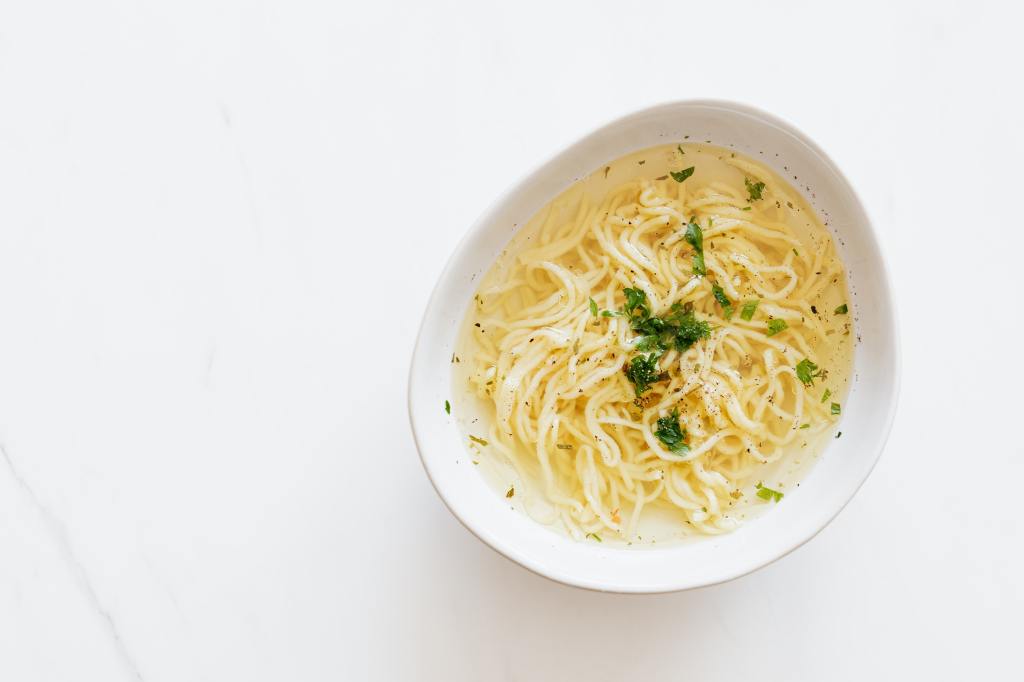
This hawker centre is a short walk away from Vivocity. It’s incredibly underrated and is great after a long day at Sentosa. During the day a lot more stalls are open than at night, but no matter what time of day you go I would highly recommend the Thai stall that sells beef boat noodle soup; it’s spicy, flavourful, comes with or without beef stomach (I personally like it with) and you get a good bowl for a cheap price! There are many stalls to choose from, so if you’re not particularly in the mood for Thai you can always grab something else.

Golden Mile Tower

Must Try: Leng Saap

Speaking of Thai food, next to the very famous Golden Mile Complex is Golden Mile Tower. In the basement there is lots of great food, notably leng saap, or pork spine soup. This soup is not for the faint of heart; imagine a vast bowl filled with spicy coriander soup, and protruding out the top, massive pork spines where the meat falls off the bone. You can choose your size and spiciness level, and the soup is usually refillable. The meat that comes off the pork spine is so juicy and tender, it’s making my mouth water just typing about it!

Eunos Crescent Market and Food Centre

Must Try: Yong Tau Foo, Indian Rojak

Right next to Eunos MRT Station, this hawker is packed full of choices. It may seem small, but each stall as something different. I also think that, because it’s not very well known by expats, it tends to be more reasonably priced. The satay here is great, and you can get hand pulled noodles at the ban mien stall. Behind the first set of hawkers is another, mostly specialising in Chinese and Hong Kong cuisine. Here I recommend relaxing with a beer and trying the Mala Xiang Guo. When I don’t know what to eat, my go-to is either the Indian rojak stall, or the Yong Tau Foo with laksa gravy.

So there you have it, another 5 great places to eat around Singapore. I hope this list has got your mouth watering enough to go and try all my latest top picks! Which hawker is your favourite?

How To Cope With Co-Payment

A few weeks ago, I wrote an article about the changes to medical insurance here in Singapore. If you haven’t read it yet, please go and have a read. As of April 2021, all insurance companies in Singapore will have to introduce a co-payment system; whereby the patient will have to fork out a portion of the hospital bill, which cannot be claimed or reimbursed.

So how do we tackle this problem? I will explore a couple of solutions here; long and short term.

Short-term Solution

To counteract the impact of losing some of your money to co-insurance and deductible on a medical bill, you can choose to include a hospital income plan to your insurance policy. This plan will pay you cash each day you are hospitalised and recovering at home, regardless of the cost of the hospital bill. This is a good way to fill the shortfall that you cannot claim, and it can be used for each time you are hospitalised. This is a quick and cheap option to save on that bit of cash.

Long-term Solution

Medical inflation increases year by year, and it is a problem that will not go away. Obviously, a hospital income plan can only go so far to counteract the rising cost of healthcare in Singapore. There are some ways in which you can prepare for a bit hospital bill in the long run.

Consider adding an extra plan to your insurance portfolio that is kept only for long term use and emergencies only. You can start by putting a small amount of your savings into a plan that will grow this cash for you at a better rate than the bank. Not only that, you can include insurance coverage in this plan. So, if the worst should happen and you are diagnosed with a critical illness or become disabled, you have a lump sum pay-out to supplement the cost of treatment, or help you with adjusting to your new lifestyle. No one likes thinking about these things happening, but it is best to prepare for the worst before you run into any problems. Hindsight is a wonderful thing, but it will not help when it comes to paying for a hospital bill.

I have posted a QR Code below to my WhatsApp should you have any questions or need help planning this out. If you would like me to review your current policy I would be more than happy to do that also.

Singlish For Expats!

Many expats move to Singapore thinking that life will be easy because everyone speaks English. Then you walk around the hawker centres and just think ??? What is everyone talking about?! Don’t fear, here is a mini Singlish dictionary for expats- impress your local friends and make them say, “Wah! This Angmoh speak Singlish leh?!”

Can lah-

Your most commonly used Singlish phrase. A phrase used to affirm a statement or question.

Example: “Are your free for lunch at 2pm?”

“Can lah!”

Shiok-

A term of general approval, showing that something is very pleasing.

Example:

“These chicken wings damn shiok!”

Makan-

Malay word meaning ‘to eat’.

Example:

“You want go makan or not?”

Lepak –

To rest or to chill.

Example:

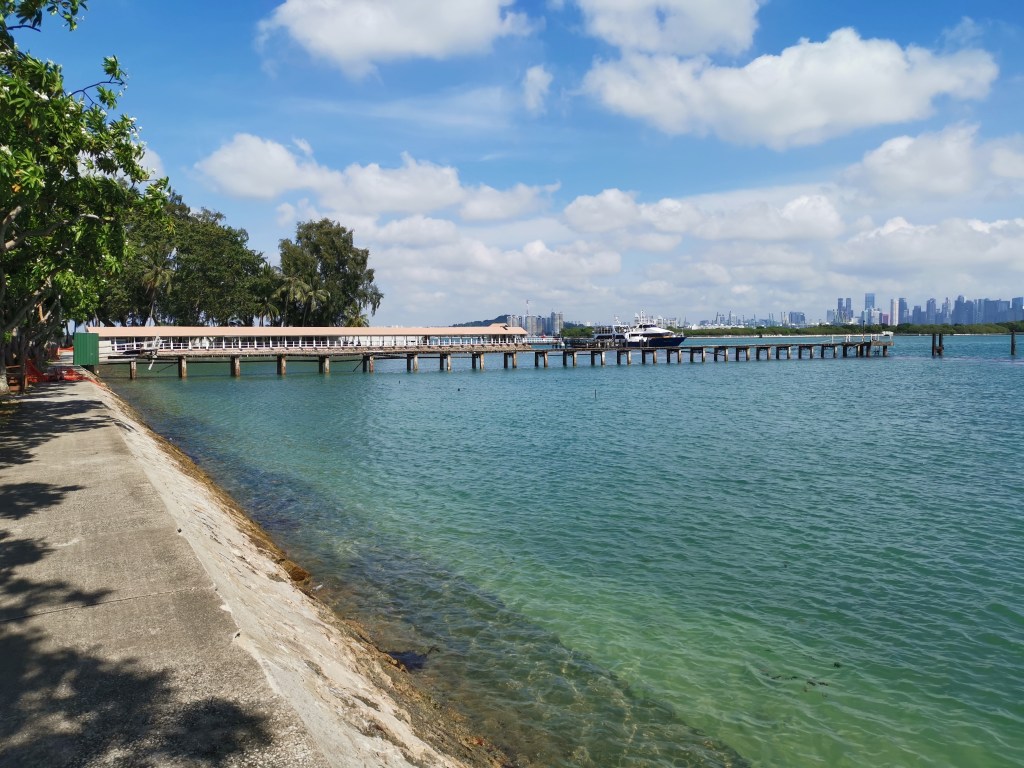
You want to go Seletar Bridge to lepak?

Correct-

Another word of affirmation. Simply means ‘yes’. Top tip, drop the sound of the ‘t’ at the end.

Example:

“You don’t have NS in UK is it?”

“Correc”

Confirm one-

Even more affirmation than ‘correct’. Adding ‘one’ on the end of your sentence adds emphasis one.

Example:

“You speak Singlish meh?”

“Confirm one.”

Kena-

A word with negative connotations that means ‘to be affected by’.

Example:

“How was that restaurant?”

“Not shiok. I kena food poisoning.”

Kaisu-

A Hokkien word denoting a fear of missing out, pushy and somewhat selfish attitude. Often used to describe Tiger Moms.

Example:

“She puts her kids in so many enrichments. She’s so Kaisu.”

Kaypoh-

Another Hokkien word, this one often describing someone who is nosey, not minding their own business.

Example:

“Stop looking across at that table, you’re so kaypoh!”

Sien-

Bored, fed up, sick of it.

Example:

“Everyday I go office, come home. I’m so sien lor.”

Wah lao eh-

Singlish version of OMG! Usually used when something frustrating or annoying has happened.

Example:

“I spilt my kopi on my shirt, wah lao eh!”

Singlish may seem confusing and tricky at first, but the more you hear it the more you get used to it. Try some of these on your local friends!

Outdoor Singapore

Singapore’s weather has been incredibly hot and sunny lately, and if you would prefer to spend your days off being outdoors soaking up the sun, rather than indoor activities, then have I got a list for you! Read on for my top picks for things to do outdoors in Singapore!

  1. St John’s and Lazarus Islands

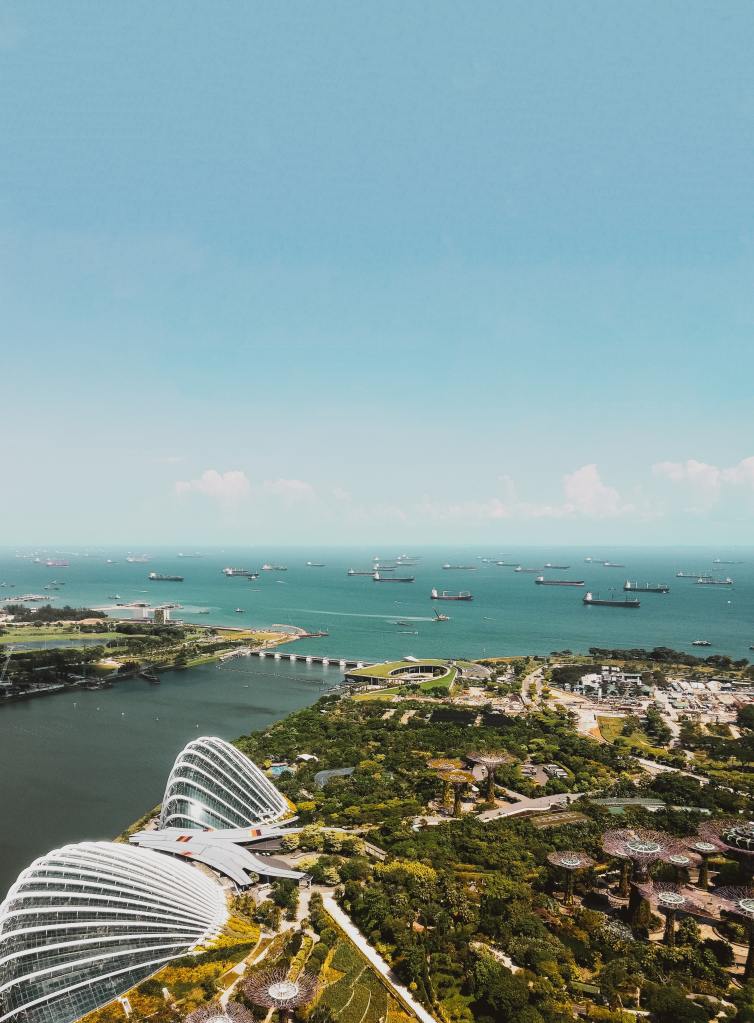
Don’t you miss being on holiday? Sandy beaches, relaxing by the ocean and sipping beer? Me too! Whilst we can’t travel overseas, the closest thing I can think of is heading over to St. John’s and Lazarus islands. You can take a ferry from Marina South Pier over to these islands, along with Kusu Island. To be honest, I wouldn’t really recommend Kusu island as last time I went half of it was closed and there was just a small temple to visit. But the beaches at St. John’s and Lazarus islands are way better than the ones on Sentosa. Think white sand and warm clear seas. One thing to note is that there are few to no facilities, especially on Lazarus island. So, it’s best to bring everything with you, especially extra water, as it gets so hot!

2. Kayaking

There are many options for kayaking in Singapore, and it really just depends on your preference. If you want a fun couple of hours on a kayak you can do it at East Coast Park. If you want a longer adventure you can kayak to Pulau Ubin and explore all its mangroves and waterways! And if you want something totally different and unusual, you can try a kayaking fishing trip (don’t worry, fish are released after you catch them).

3. Pulau Ubin

Speaking of Pulau Ubin, if you love cycling then this is the perfect day out. Catch a boat from Changi Jetty over to the island and enjoy the rugged landscape by foot or by bicycle. You can rent bikes over there, even tandem ones, and ride around the whole island. If you’re lucky, you may catch a glimpse of some wild boars! And, when the long day is over, you can chill at the Little Island Brewery at Changi and relax with some cold beers.

4. Sungei Buloh Wetland Reserve

If you love wildlife and want to spend your day exploring mangrove wetlands, this Heritage Park is the place for you. Not only is this area abundant with migratory birds, but you can also catch a glimpse of otters, lizards and even crocodiles here! If you want a change of scenery from the hustle and bustle of the city, then head up to Kranji and enjoy this ecological gem.

5. Nature Walks

There is a plethora of nature walks in Singapore, and in my opinion, they are all worth doing. Head to MacRitchie to do the famous tree top walk (watch out for monkeys!), Bukit Timah Nature Reserve (maybe my favourite nature walk), Bukit Batok Nature Park, Labrador Nature Reserve…the list goes on! Considering Singapore is such a small country with so many people and so many high-rise buildings, it is amazing how many parks and outdoor trails there are! Which one is your favourite and why?

Singapore really does have a lot of outdoor activities to offer, so get out there and explore!

Singapore: Important Updates to Insurance You Need To Know About!

As we all know, Singapore does not offer free healthcare; for locals, a lot is subsidised by their Medisave but for expats we must pay the full cost and wait for reimbursement from our insurers.

But there will be some new changes this year that all insurers in Singapore will have to follow, which will affect the consumer. Here’s what you need to know.

In March 2018, the Ministry of Health announced that insurers will have to stop offering plans that cover the full cost of hospital bills, and riders that do so will have to contain a ‘co-payment’ feature. This means that patients will have to foot part of their hospital bill, in order to keep healthcare costs sustainable.

From now on, if policyholders are hospitalised, they will have to pay 5% (at least) of the hospital bill. This co-payment is the government’s attempt to maintain policy premiums, and encourage responsible usage of the Singapore Healthcare System…doctors and patients alike.

So what can we, as a customer, do to ensure that we can keep up with these changes? The first is to double-check what your company provides in terms of insurance coverage, as company plans will often cover different things than personal. Second, ensure you have an accident plan that includes some medical reimbursement benefit. Therefore, if you are hospitalised due to an accident, you can claim somewhat off this plan. The third and, in my opinion, the best method is to ensure you have some sort of plan you can use as an ‘emergency medical fund’. Pay into this fund for a few years and, should anything happen, you can use this to cover the co-payment. It can also include features that will cover you should you become disabled, or suffer from a critical illness.

Have you readjusted your medical planning? Do you have any questions in regards to your insurance or future planning? If so, comment below or send me a message!

Covid Vaccine Cover!

Hi There! Are you planning to take the COVID-19 Vaccine? I’m here to give you a confidence boost as you take this brave step. AIA is now offering a COVID-19 Vaccine Cover for FREE!

Apply by 30 April 2021 to enjoy the following benefits up till 31 December 2021.

1)      Up to $1,000 cash pay-out if you’re hospitalised due to COVID-19 Vaccine Complications.

2)      $500 lump sum cash pay-out if you’re hospitalised due to COVID-19.

*T&Cs apply. Please refer to the application website for full details. Protected up to specified limits by SDIC.

Contact me to find out more or simply click on the link below to apply now!

https://www.aia.com.sg/en/AIACovid19VaccineCover-app.html?unique=79672

Best Hawkers For Expats!

  When the conversation of coffee shops come up around expats come up, Newton is ALWAYS mentioned. It’s the one in Crazy Rich Asians, it’s the one where people try sting ray for the first time, but it’s pretty touristy and they jack the prices up. So, I’ve come up with a list of my favourite hawkers across Singapore, and what my favourite food is from those places.

Maxwell

Best Things To Eat: Chicken Rice, Shanghai Dumplings

  This is my favourite hawker in the whole of Singapore; the food is so delicious and very reasonably priced. My top picks for food would be the chicken rice; there’s a lot of famous chicken rice stalls at Maxwell and they’re all so tasty. But my absolute top pick for food here is the Shanghai dumplings; they’re incredibly juicy and soft. And, the beer is cheap!

Bedok Food Centre

Best Things To Eat: Mala Xiang Guo

  I don’t know why people don’t talk more about this hawker- it’s MASSIVE and there are so many amazing and delicious things to try here. It gets very busy on the weekends to make sure to bring some tissues to chope your table! The mala xiang guo is very fresh and yummy and incredibly reasonably priced; I often find mala to be quite expensive if you’re eating for 1, but this only costs $5!

East Coast Park

Best Things To Eat: Satay

 Of course I was going to put this on the list- there are so many fantastic foods to try. I love the stingray, the carrot cake, the fried rice but especially the satay. People say that Lau Pa Sat has the best satay but I disagree- East Coast Park takes the gold. What’s more, the beer is the best here- so cheap!

Yishun Park Hawker Centre

Best Things To Eat: Mee Jiang Kuah

 This is my favourite hawker in the north. It’s near where I used to live so during circuit breaker I would go there once a week just to treat myself and get myself out the house. I would highly recommend the mee jiang kuah; these fluffy pancakes come in many different flavours. I like the charcoal and peanut butter ones.

Satay By The Bay

Best Things To Eat: BBQ Sting Ray and Kang Kong

Even though the satay here is very popular I would also recommend their tze char, especially their stingray and kang kong. This hawker is a great place to go after a cycle around the Marina Bay area. It feels so rewarding chomping down on delicious food after a long day exercising!

Honourable Mentions: Nasi Lemak at Boon Lay Food Centre; Curry Fish Head at Zion; Hokkien Mee at Chom Chom

What are some of your favourite local Singapore delights?

How To Survive The Next Economic Crash!

I think it’s safe to say that no one saw Covid-19 coming. None of us thought that we would be unable to travel, unable to see our family and none of us would have foreseen so many people losing their livelihoods, their jobs, and their lives.

  We may be lucky here in Singapore, but some were not so lucky. Those who lost their jobs have had to rely on their savings or may have even had to borrow money to stay afloat.

  Although we could not have predicted 2020, there are ways that we can prepare for another blip in our financial prosperity. Here is what I suggest.

  1. Manage your Debt

I feel like I’ve mentioned this already in previous articles but I cannot stress how important it is. When things go wrong, like losing a job for example, the monthly bills do not stop. Rent still has to be paid, the water bill will still have to be paid and, if you have debt, the monthly instalments don’t stop. That’s why it is imperative that you try and clear your debt or at least minimise your debt as soon as possible. That way, you can start focusing on other aspects of your financial life and focus on how you can grow money, not just how you can get through month to month.

2. Have an Emergency Fund

I really do sound like a broken record but, imagine if you lost your job and had no savings? You would either have to borrow money, or sell off your assets, neither of which are ideal. So, it is imperative that you are disciplined with keeping an emergency fund of at least 3 months of your salary. This money should be easy to access but not one that you dip into frequently. This fund should be for emergencies only, and used only when very necessary.

3. Have a Market Opportunity Fund

If you really want to take use of a market crash, it’s a good idea to have funds set aside for a market opportunity. This fund could be from extra savings each month from cutting your monthly expenses, or after managing your debt. You can then use this money for investing when markets are low. For example, buying stocks when they are cheap.

4. Be Disciplined With Your Investing

So, you bought some stocks cheap with your Market Opportunity Fund…now what? I would suggest making use of a term called ‘dollar cost averaging’. I have explained this term in my post ‘Investment Terms You Need To Know’. It is best to make your investing almost automatic; the same amount each month or year, so that you can weather the storm of market volatility. It means that you will earn more from your investments in the long run, instead of timing the market.

5. Diversify Your Investments

Look at what happened in 2020…the industries that were most affected were airlines, hotels, restaurants, bars and entertainment. People that had stocks in these companies could have lost a lot of money. Therefore, it’s best to diversify your investment portfolio so that you have a mixture of stocks, bonds etc in lots of different industries, to minimise the risk of loss.

6. Have a Side Hustle

My last point is really an optional one, to ensure that you never miss out on making money should another crash happen. Some people, like myself, are not able to have a side hustle (fyi because of my visa I cannot have more than one job). But, if you have a different skill or something that can be sold from home, it may be good to explore it further and monetise on it. For example, you may be very good at Photoshop or good at website design. These are services that you can sell and do whilst you are at home.

  Follow these steps and not only survive but thrive in the next market crash!

How I Planned My Finances

People often ask me how I became so financially literate and what I did to make myself financially stable. So, I thought I would share with you how I planned my finances in Singapore. First of all, I will say, I’m very lucky to have parents who taught me from a young age how to save and be frugal. But, moving to Singapore I realised I needed to do more than just save. So here’s how I did it.

Step One: Have an Emergency Fund

This first step was crucial, as you will see in my story later why. I saved 6 months’ salary in my bank account, as a buffer should anything happen. This meant that rent was never an issue, even with putting a deposit on a new rental and moving apartments. It also meant that I had less buyer’s remorse and I knew how much I could afford to spend on my days off.

Step Two: Spend Wisely

 Pre-covid, I travelled a lot. A lot of people, particularly those back home, would often ask me how I did it. It was really quite simple; I often travelled to countries where the Singapore dollar went far. I booked cheap accommodation and ate local food. This kept my budget quite low.

  Also, in Singapore I don’t tend to buy a lot of things. I mostly spend on going out for meals or activities with friends, which I find easier to manage, especially if the restaurants are cheap!

Photo by Karolina Grabowska on Pexels.com

Step Three: Get Covered

Remember earlier I mentioned why an emergency fund is so important? Here’s why. In 2019 I found out I had to have an operation- it wasn’t a particularly big surgery, but it was a crucial one. My doctor had found a growth and was unsure if it was cancerous. It was causing me a lot of discomfort and affected my personal life greatly. I was told that the estimated bill would be roughly $19,000. Thankfully, I had health insurance. Even though foreigners have to pay the cost upfront, I managed to get every penny back through my hospital plan, even the doctor’s appointments leading up to the surgery. It was a massive relief. Luckily, I had the money upfront to pay, but can you imagine if I never got that back? Expats often see insurance as unimportant, maybe because healthcare is free back at home, but it’s a fact that Singapore is not a welfare state, so don’t treat it like one.

Step Four: Don’t Leave it Too Late

I went on to purchase critical illness coverage, as I knew deep down in the back of my head that having an operation at 25 (especially one where the C word comes up) is not normal. (I’m fine by the way, it wasn’t cancer.) So, I felt that it was best to be fully covered for critical illnesses. Hospital plans are not sufficient. Imagine if I were diagnosed with Cervical Cancer, and just had a hospital plan? It wouldn’t cover my change in lifestyle; having to take taxis everywhere; maybe hiring at home help; having to maybe order personalised meals. Not to mention the fact that I wouldn’t be able to work if I was going through chemo. A hospital plan definitely wouldn’t cover all of that.

Photo by Pixabay on Pexels.com

Step Five: Invest

Ok so I had an emergency fund, I was protected and covered insurance-wise. Now what? How did I make my money grow quicker than leaving it in the bank? My current DBS account has an interest rate of 0.005%…. I’m not being funny but that’s rubbish. So, I took a portion of my savings and invested it in unit trusts. I purchased investment policies that contained a mixture of sub-funds that are managed by portfolio managers. I’m not one to sit and watch stocks and manage that by myself, so I’m very happy to let a professional do that for me. This will help me achieve my long-term goals of purchasing a property and having a very comfortable retirement.

I pride myself on not living paycheque to paycheque; I actually can’t remember the last time I did live like that! I always reflect on these five things and review how on-track I am with my financial goals. I hope this helps those who are confused on where to start. How do you plan your finances? If you feel that you have any questions or need any help, please do get in touch.

Reddit Vs Wall Street

Remember GameStop? That old shop where you would go to buy second hand video games? Well, yesterday they made big headlines…and here’s why.

Understanding a Short

  A short position is a trading technique, whereby short-sellers will borrow a stock that they think will drop in price, and buy them back at this lower price. Short sales have an expiration date- which means that sometimes short sellers have to act fast.

  A short squeeze occurs when the opposite happens; the stock sharply rises, forcing all those who predicted its downfall to buy to prevent even bigger losses. This inevitably drives the stocks even higher.  Short squeezes can happen when there is an unexpected positive news story (like Tesla, for example), or anything that can excite new buyers.

So what does that have to do with GameStop?

  In January 2021, a series of short squeezes ensued on several different stocks, including GameStop, AMC (remember, that cinema company?) and BlackBerry (everyone’s dream phone 15 years ago). Retail traders on Reddit page ‘Wallstreetbets’ banded together to drive the price of these stocks up, because they had found out that several hedge funds had short-sold them. This resulted in large price spikes, as the short-sellers were forced to buy back their stocks before incurring any more losses.

  Many users saw this as a way of getting back at hedge funds for the economic crisis in 2008. (Side note, if you haven’t watched The Big Short- you should. It explains the property crash perfectly.) It was almost as if all these users had become vigilantes, taking on the Big Bad Wall Street. Some on the website even donated their earnings to charity- how Robin Hood-esque of them.

Robinhood; take from the rich give to the…rich?

What’s not so Robin Hood-esque is what Robinhood did. Robinhood is a stock trading app; on Thursday 28th Jan 2021 it announced that it would block trading of GameShop, AMC and Blackberry shares. The free stock trading pioneer only allowed clients to sell positions, not open new ones. This provoked outrage among users and US politicians alike. A class- action lawsuit accused Robinhood of market manipulation and there are calls for the company to be investigated. The Senate banking committee said it would hold a hearing into the volatility.

  Many believe that this kind of move from Robinhood shows clear classism and bias in the financial world; that hedge funds in Wall Street can influence stock fluctuations, fat cats can reap the spoils of market volatility, but the average joe can’t. The users on Reddit merely played the short-sellers at their own game. What’s your opinion? Do you think that Robinhood was in the wrong? Or do you think that the stock market shouldn’t be manipulated by Reddit users?