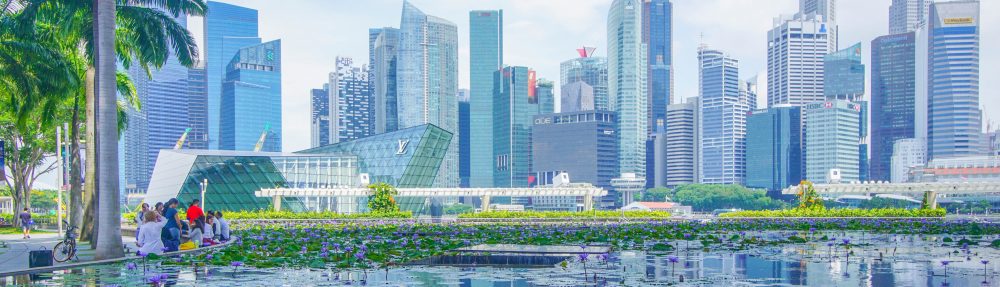
Singapore regularly tops the charts as one of the world’s most expensive cities. For many expats, this comes as no surprise: the glossy high-rises, Michelin-starred restaurants, and international schools paint a picture of luxury. But what does expat life here really cost? And how do you avoid falling into the “expat trap” of overspending without realising it?
In this article, I’ll walk you through the true costs of living in Singapore as an expat, the hidden expenses you might not expect, and the strategies you can use to enjoy life here without sacrificing your long-term financial goals.
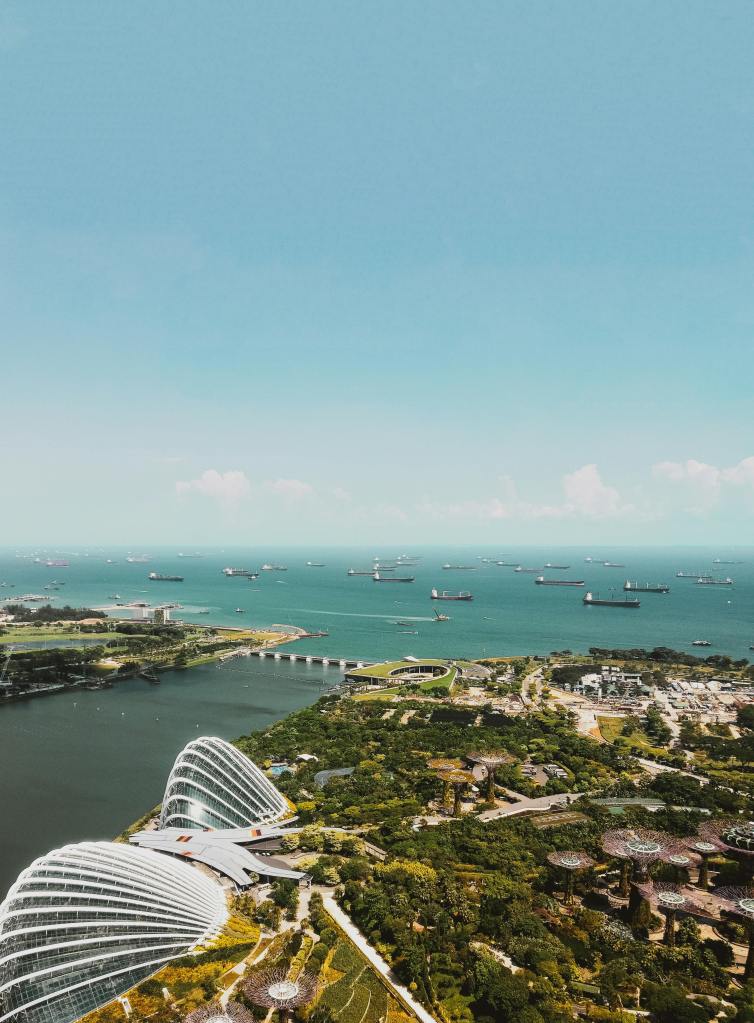
Housing: Your Biggest Expense
For most expats, rent is the single largest monthly outgoing.
• Rental market realities: A three-bedroom condo in central Singapore can easily run between SGD 7,000–10,000 per month. Even outside the central districts, newer condos often sit around SGD 4,000–6,000.
• Hidden costs: Many first-timers don’t factor in agent commissions, stamp duties, or the two-month deposit. Moving costs, furniture, and utilities quickly add up.
• Lifestyle creep: It’s easy to be lured into a glossy condo with pools, gyms, and concierge services, especially when “everyone else in the expat circle” seems to live that way.
Smart strategy: Decide early on what you value most – space, location, or amenities. Look slightly outside prime districts (think Novena, East Coast, or fringe areas) for significant savings. And don’t be afraid to negotiate: in softer rental markets, landlords often prefer securing a stable tenant over holding out for a higher rate.
Schooling & Education
If you have children, education can rival rent as your biggest financial commitment.
• International schools: Annual tuition can range from SGD 25,000–40,000 per child, excluding uniforms, extracurriculars, and trips.
• Hidden fees: Application costs, technology levies, and even bus transport can be surprisingly steep.
• Waitlists: Some of the most popular schools require application years in advance, pushing parents to consider multiple options or last-minute relocations.
Smart strategy: Budget well beyond tuition. If you know you’ll fund university abroad later, start early with dedicated investment accounts. Offshore education savings plans or a globally diversified portfolio can help smooth out future costs.

Healthcare Costs
Singapore has excellent healthcare, but it’s not cheap, especially for foreigners.
• Corporate coverage: Many expats rely on their employer’s health plan, but coverage limits can be low, and dependants aren’t always included.
• Out-of-pocket surprises: A GP visit might cost SGD 40–70, but specialist consultations or scans can easily run into the hundreds. Private hospital stays can cost thousands per night.
• Insurance gaps: Without an Integrated Shield Plan or international medical insurance, you could face hefty bills for surgery or long-term care.
Smart strategy: Review your coverage early. If your corporate plan is thin, consider supplementary insurance while you’re still healthy and eligible, it’s far cheaper to buy cover before you need it.
Transport & Lifestyle
Transport is another area where costs vary dramatically.
• Public transport: The MRT and bus system is efficient and affordable, with most journeys costing under SGD 2.
• Owning a car: This is where costs explode. Between the Certificate of Entitlement (COE), insurance, maintenance, and petrol, monthly costs can reach SGD 2,000–3,000 easily.
• Eating out: Hawker food is famously affordable at SGD 5–8 per meal. But expats often gravitate towards restaurants, cafés, and bars — where a dinner for two with wine can top SGD 200.
• Alcohol & entertainment: Import duties make alcohol pricey. A single cocktail may cost SGD 20–30, and wine markups are significant.
Smart strategy: Strike a balance. Enjoy hawker culture during the week and save splurges for weekends. If you don’t need a car, skip it. Grab and GoJek are usually far more cost-effective.

Travel & Repatriation
One of the joys of being based in Singapore is its proximity to Asia-Pacific destinations — Bali, Tokyo, Bangkok, Sydney are all a short flight away. But travel costs add up.
• Family flights: A return trip to Europe or Australia for a family of four can exceed SGD 6,000–10,000.
• Relocation costs: Few people factor in eventual departure expenses: shipping, storage, pet relocation, and temporary accommodation while waiting for visas.
Smart strategy: Treat travel as part of your annual budget. Use miles programmes strategically, book flights early, and build a “repatriation fund” to cover the costs of your eventual move.
The Hidden Costs Nobody Talks About
Beyond the obvious categories, there are smaller but significant costs:
• Helpers: If you employ a domestic helper, costs include monthly salary (SGD 600–900), the foreign worker levy, insurance, and annual leave flights.
• Social life: The “expat bubble” often encourages frequent brunches, memberships, and nights out, which can quietly add up to thousands per month.
• Emotional cost: While harder to quantify, there’s also the mental fatigue of keeping up with social expectations and lifestyle pressures.
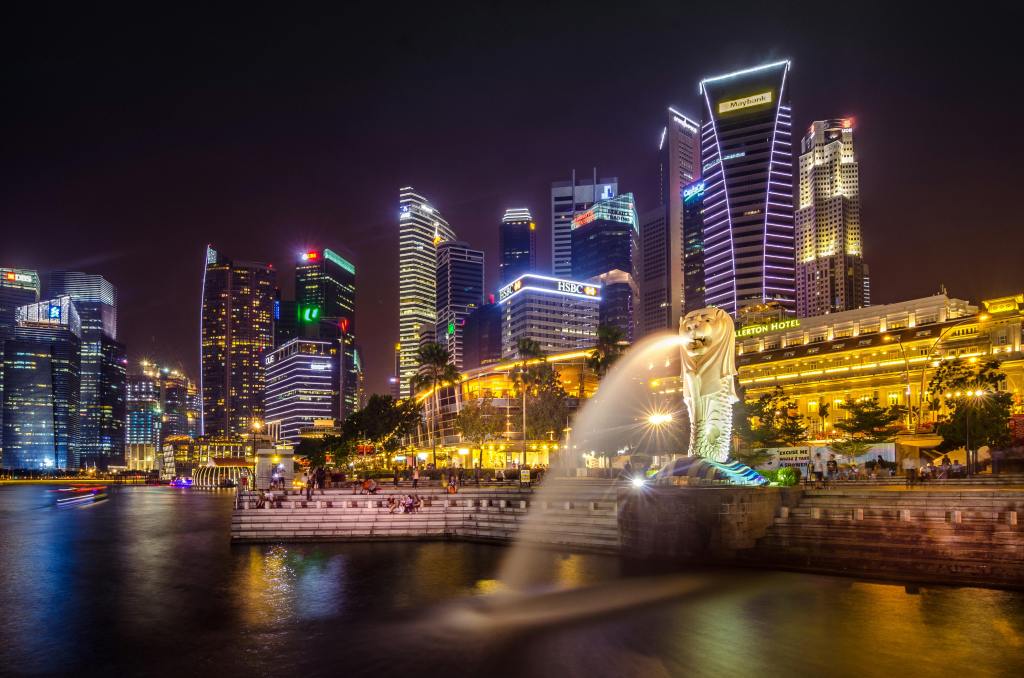
How to Take Control
The good news? With planning, you can enjoy Singapore’s lifestyle without draining your wealth.
• Build a realistic budget: Track actual expenses for 3–6 months to get a true picture of your spending.
• Set guardrails: Decide which luxuries matter (maybe travel) and which don’t (maybe daily fine dining).
• Automate savings: Pay yourself first. Direct part of your salary into investments before lifestyle costs eat it up.
• Think long term: Singapore’s high salaries are an opportunity. Use these years to accelerate wealth building rather than watching it slip away.
Singapore is a wonderful place to live and work, offering safety, opportunity, and a high quality of life. But it’s also easy to overspend if you don’t know the real costs of expat living. By approaching your finances with intention, you can enjoy the best of what Singapore has to offer and secure your long-term financial independence.


 Investing for Singapore Expats